
In Gaza, cold is no longer a seasonal challenge but a deadly danger infiltrating tents and ending the lives of defenseless infants. At least seven babies have died this winter from cold exposure, according to the Ministry of Health, as thousands live in makeshift shelters without heat, insulation, or adequate food. Doctors believe the actual number may be higher.
Medical experts, families, and authorities agree the deaths are not due to rare illnesses but stem from displacement, poverty, hunger, and exposure to harsh weather in fragile tents.
At the center of this tragedy is Ahmad Tottah, a father who lost two children in separate years. His testimony, along with statements from Gaza’s Health Ministry and Nasser Hospital’s neonatal specialists, reveals the extreme vulnerability of infants.
Ahmad told Quds News Network that his suffering began long before his children died. After nine months of war, he was displaced from northern Gaza to the south, like many others—passing through Rafah to al-Mawasi in Khan Younis near the sea.
Initially, there was no tent. “I lived under plastic and wood for a week,” Ahmad said. “I collected cloth strips and stitched them into curtains. That became the tent.”
That patchwork shelter housed his family for over a year. In a new wave of displacement, he fled again with his wife, son Ibrahim, and daughter Misk, the sister of Mohammad, already martyred from hypothermia.
They spent a month by the sea—their tent soaked with humidity and battered by cold winds—before moving again to Khan Younis with barely any belongings.
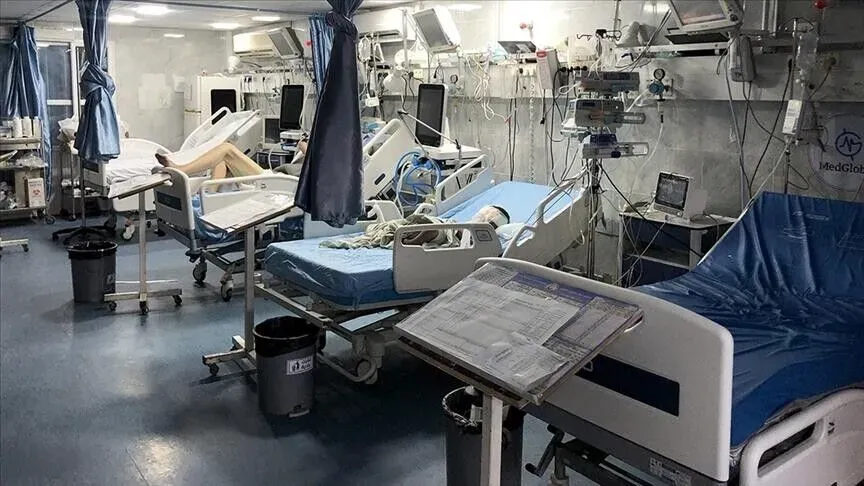
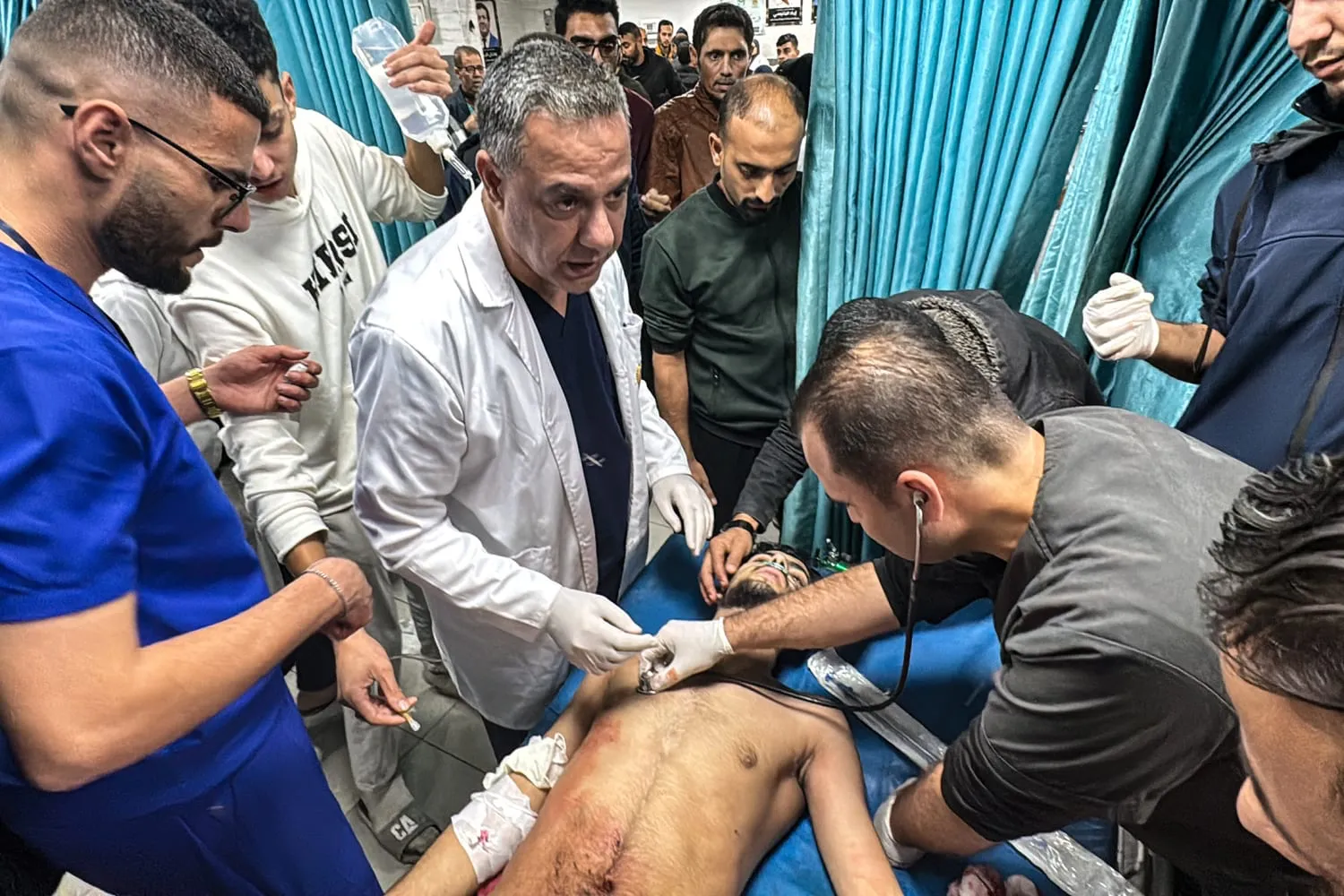
Mohammad died on September 29, 2024, at two months old. Doctors said the cause was cold exposure. The family lived in a curtain-made tent in al-Mawasi with no heat or insulation. Before his death, Mohammad had vomiting and diarrhea. He spent three days at Nasser Hospital but did not survive.
“He was so small,” Ahmad said. “The cold never left us.”
The family had nowhere else to go and remained in the same conditions.
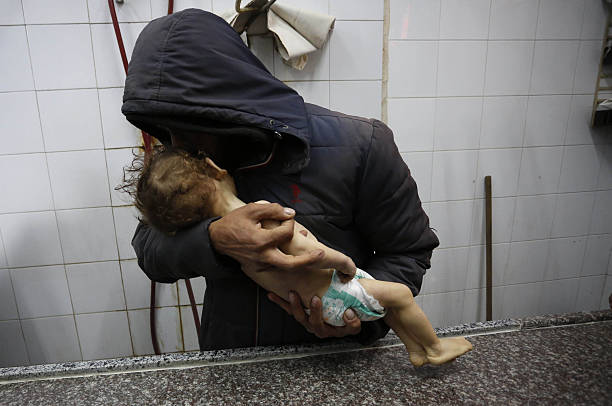
A year later, Ahmad lost his daughter Reda during a severe cold wave. She was also two months old. “There was nothing wrong with her,” he said. “She fed and cried normally.” She died of cardiac and respiratory arrest.
“She slept in my arms all night,” Ahmad said. “She was already gone, but I couldn’t let go. I never thought I’d face this—unable to help my child in my arms.”
“Losing one child is unbearable,” he added. “Losing two, each in a different year, is beyond explanation.”
He concluded with a plea for basic dignity: “We just want to live like any family. We’re not asking for anything special. Just to live.”
Ahmad’s tragedy echoes across Gaza’s hospitals. Dr. Hatem Dhaheer, head of Nasser Hospital’s neonatal ICU, explained, “Most of these babies are premature or under 2.5 kg. Their bodies are fragile, and cold can quickly be fatal.”
At 33°C, hypothermia can cause brain or lung bleeding, slow the heartbeat, and shut down the body, even with ventilation. Many babies died shortly after being discharged from incubators into tents exposed to sea wind.
He recalled a girl discharged at 1.8 kg after a month in an incubator. Two weeks later, she was brought back dead from cold.
“Each death is more than a number,” he said. “These are fragile lives clinging to hope against unbearable odds.”
Zaher Al-Wahedi, director of Gaza’s Health Ministry’s Information Department, confirmed that at least seven infants died from extreme cold. The most at risk are premature or low-birthweight babies.
Newborns lose heat faster than adults, and in Gaza’s crowded tents, managing this is nearly impossible. “Wind cuts through tents, rain soaks them, and children are left exposed,” Al-Wahedi said.
Skin-to-skin contact with mothers helps, but maternal poor nutrition—due to food shortages—has worsened premature births and miscarriages. No adult cold deaths were recorded during this time—only infants are dying.
At 4°C, biological functions slow; prolonged cold causes hypothermia, organ failure, and death. Babies can’t shiver or regulate heat and rely on caregivers who are themselves weak and cold.
These deaths are preventable. A fabric tent can’t replace a home. An incubator can’t save a baby returned to freezing conditions. What’s missing isn’t knowledge—it’s shelter, warmth, food, and safety.
Dying of cold is silent. For Ahmad Tottah, the loss is enduring. “I want the world to see my children,” he said. “No father should hold a lifeless child all night without knowing.”