
The graduation ceremonies organised by the University College of Applied Sciences were no ordinary event in an environment of war, killing, bombardment and destruction wrought by the genocide the Israeli occupation army continues to wage on the Gaza Strip.
The very fact that the college's leadership thought in this spirit and with this ardour means that Gaza cannot bow or be broken, that the war of ethnic cleansing, mass killing and displacement has not and will not sap the strength of the Palestinian people, and that the Palestinian keeps in his heart a steadfast faith in freedom and victory, while his mind never ceases to think and create in the will to life, drawing a new tableau of patience and legendary steadfastness.
The college whose buildings, halls, scientific laboratories and administrative headquarters were destroyed did not stop teaching and learning under exceptional conditions unprecedented in human history, and despite the martyrdom of its former president, Dr. Saeed Al-Zubda, and dozens of its academic and administrative staff, it did not lose its compass or retreat from its mission and role.
This ceremony carried deep connotations beyond a traditional academic celebration; even the choice of its name carried symbolism and meaning: the "Phoenix Cohort", the mythical bird that rises alive from the ashes, embodying the ability of the college and its students to rise again and rebuild themselves despite total destruction.
For the Palestinian, education is the foundation of life; he can endure pursuit, hunger and deprivation, but he never sacrifices education whatever the cost. The college's insistence on being among the first universities to resume the educational journey by switching to electronic and blended learning and then to in-person classes — despite technical challenges, power cuts, disrupted communication networks and constant displacement — expresses a holding fast to the right to education as an essential tool for survival, for preserving identity and the future, and as a form of steadfastness.
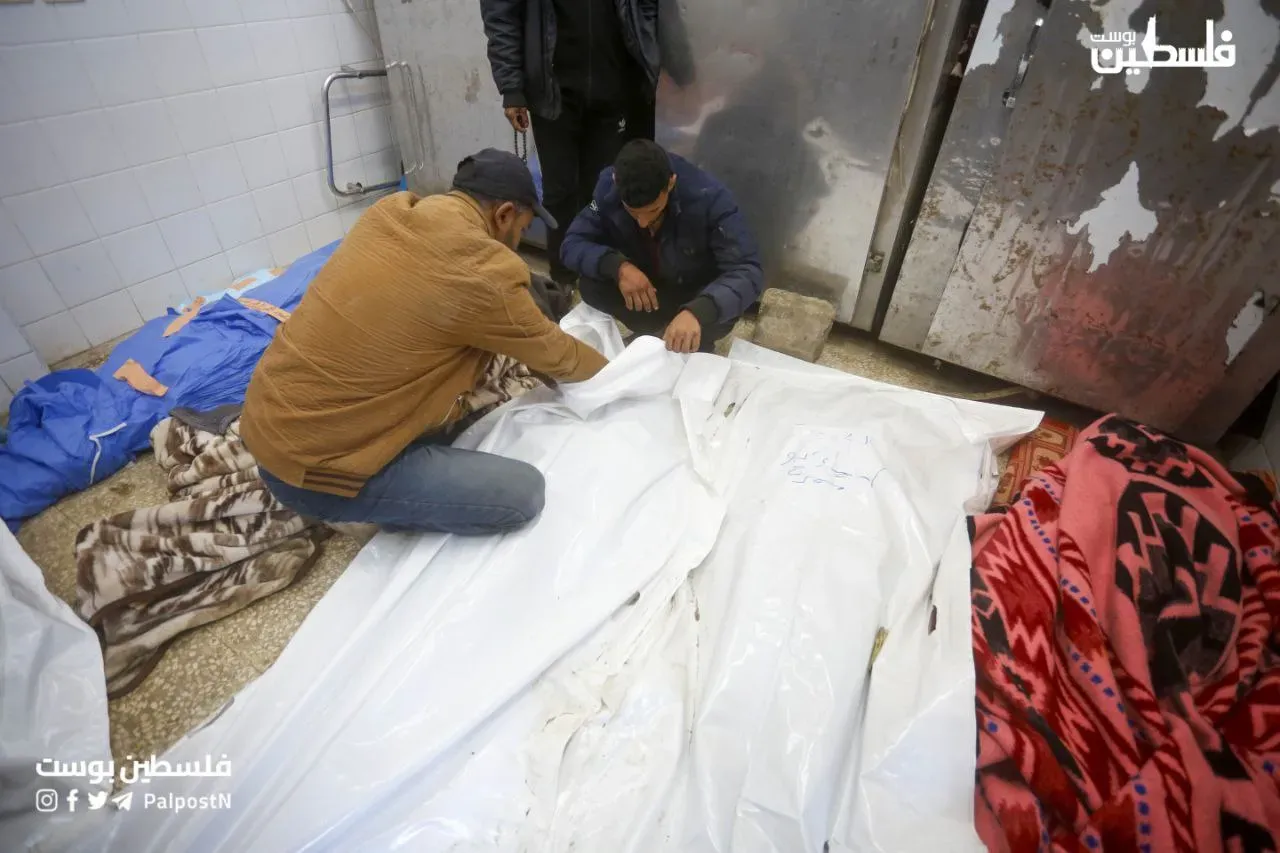
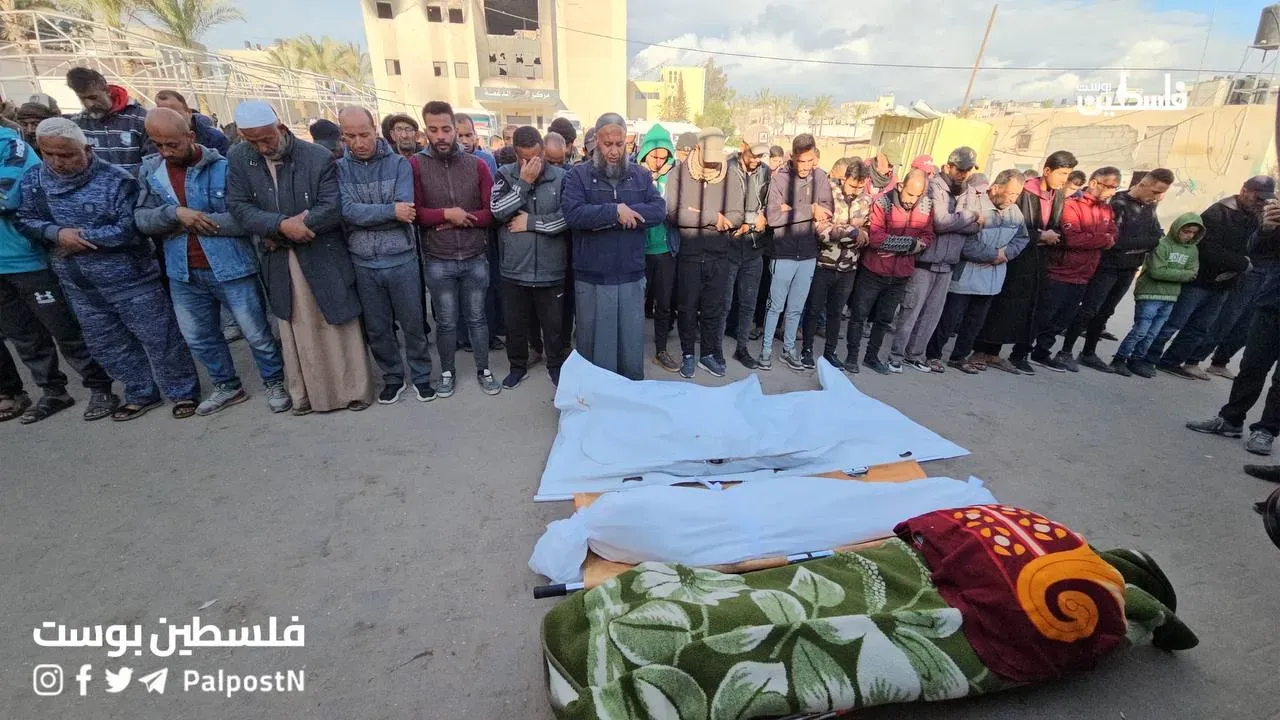
The ceremony served as a symbolic tribute to the college's martyrs, chief among them its president, its staff and its students. Chairman of the Board of Trustees Dr. Mohammed Al-Aklouk could barely hold himself together as he remembered the martyrs, until tears of love and loyalty overcame him, repeating the words of the college's president before he and his family were assassinated: "Don't worry, Dr. Mohammed, we will rebuild the college no matter what happens." I was equally heartened by what the college's current president, Dr. Mohammed Mushtaha, affirmed when he said: "An institution that knows why it exists and believes in what it carries can always find a new path to life, and the future of students cannot wait," adding: "If buildings can no longer carry the institution's functions, then people carry them: the teacher who kept teaching, the employee who reorganised the service, even the student who searched for an internet connection to finish his lectures, all of it crowned by experience and knowledge and the college's stock of supporting digital systems, with the ability to organise and take decisions."
I can say that the University College has made new academic and national history by holding the first university graduation ceremony since the start of the war in Gaza, the central area and Khan Younis, even with the simplest means and capabilities. It gave students and their families a sense of achievement and deserving after years of effort and patience under bombardment, killing, suffering and famine, and it rightfully wrested legitimate moments of joy to instil a spirit of hope in the face of frustration and despair.
The experience of the University College, led during the hardest periods of the war by dedicated people such as its former president, Engineer Samer Yaghi, along with an elite of academics and employees — which despite its wounds and the tragic reality harvested 6 awards at the level of Palestine in the fields of innovation, technology, engineering and media — is an experience that deserves scholarly study, research and documentation by historians.
The graduation of the students is a completion of the mission they began, and a confirmation that the loss of academic leaders and cadres did not break the continuity of the institution's mission. It is a clear message to the occupation: "You will not be able to break us, kill our ambition or erase our dreams."
Yes... they were displaced, they grew tired, they stayed up, they studied in tents and under the rain, they chased electricity and internet networks, they walked through a minefield, they were wounded by bullets and shells, they lost loved ones, and they went through conditions the pen is unable to describe. But he is the Palestinian who overcame all pains and hardships to harvest the fruit of his efforts with his family behind him, armed with science and knowledge, his head held high, and standing in line to contribute to building the homeland and defying the occupation.
The ceremonies that Dr. Akram Radwan, head of the celebrations committee, and his team succeeded in pulling off from nothing were a national wedding par excellence, in which heritage songs and popular chants rose, ululations of joy rang out, flowers were scattered, the scents of success wafted, and graduates' caps flew in delight to the heights of the sky.
The "Phoenix Ceremony" is a strong message to the international community and education systems around the world that the will to learn is not tied to walls, buildings and halls, but to human will, determination and the desire to possess knowledge as a pillar for reconstruction and rising anew. Truly, it is the "phoenix".. and not merely a pioneer of creativity.
Truly the phoenix: not merely a pioneer of creativity
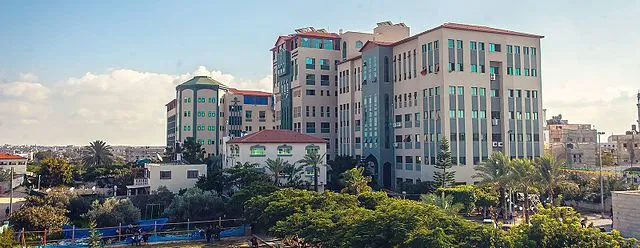
The University College rose from the ashes with the graduation of the "Phoenix Cohort" amid war and destruction, proving that the Palestinian will cannot be broken and that education is a message of life.