
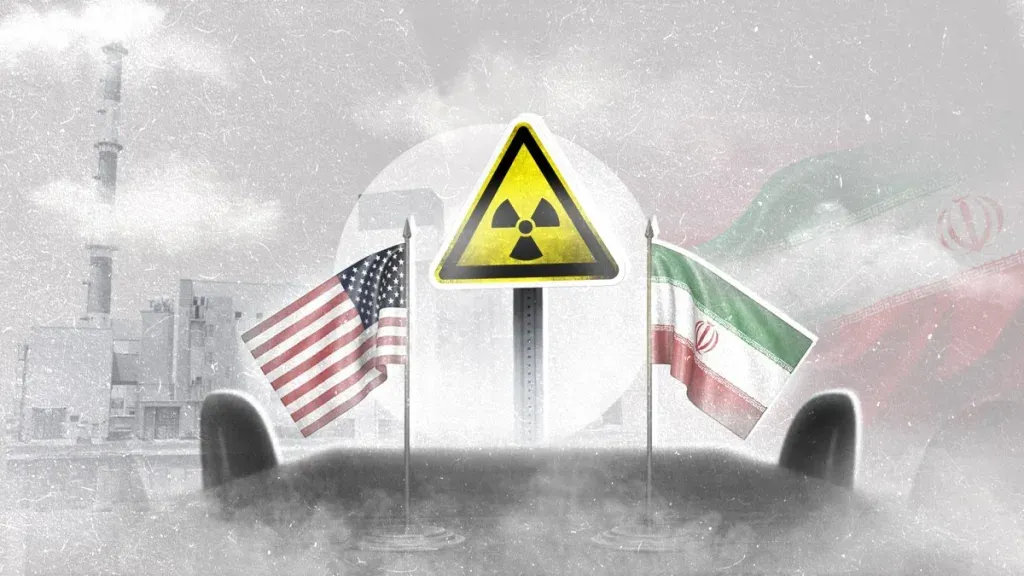
The Israeli newspaper Maariv has revealed that the United States is refocusing its strategy toward Iran on the primary goal of the war, namely preventing Tehran from acquiring a nuclear weapon, after the Strait of Hormuz file slipped from the top of American priorities at the current stage.
According to the newspaper, regional and international parties are intensifying mediation efforts to persuade Iran to make fundamental concessions on its nuclear program, in an attempt to revive indirect negotiations with Washington and prevent the region from sliding once again into a wide-scale military confrontation. These moves come after US President Donald Trump rejected an Iranian proposal for a ceasefire in recent days.
The newspaper quoted American reports as saying that indirect contacts between the two sides are likely to continue during the current week, despite the continued escalatory rhetoric and the political deadlock that has overshadowed relations since the war broke out on 28 February.
According to the report, Trump is seeking to reframe the objectives of the confrontation with Iran by limiting them to preventing it from developing military nuclear capabilities, instead of focusing on the navigation issue in the Strait of Hormuz. In this context, the US president hinted before the United Nations General Assembly at the possibility of "destroying" the Iranian regime if necessary to prevent Tehran from acquiring a nuclear bomb.
Maariv noted that these remarks angered the Iranian delegation, which left the hall during the speech, while Iranian President Masoud Pezeshkian stressed the following day that his country does not reject dialogue but refuses to negotiate under pressure or what he described as the "language of force".
Meanwhile, Iranian Foreign Minister Abbas Araghchi stressed that his country is ready to respond to any new attack. In an interview with the US network NBC, he said Iran is "fully prepared to resume the war" if it is imposed on it, while affirming at the same time that the door to diplomacy remains open and that the final decision rests with the American administration.
The newspaper added that Trump rejected an Iranian proposal that included a seven-day ceasefire, the opening of the Strait of Hormuz, and an end to the naval blockade imposed on Iranian ports. The proposal also included demands to lift US sanctions and release frozen Iranian financial assets worth billions of dollars.
It quoted American officials as saying that the US administration considers those demands unacceptable in their current form, especially amid accusations that Iran has violated previous understandings and agreements.
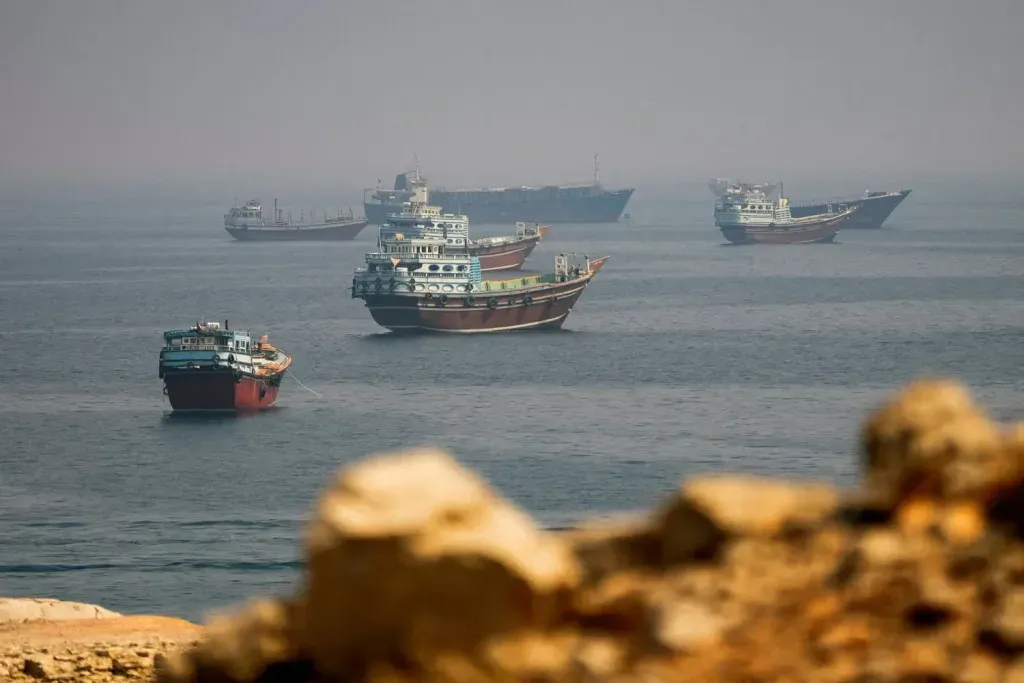
According to the report, the US naval blockade continues to inflict major damage on the Iranian economy, while Washington is also seeking to tighten restrictions on air traffic to and from Iran. American and Gulf officials also believe that Iran's influence in the Strait of Hormuz has declined compared with previous periods, which weakens Tehran's negotiating position.
Despite the current impasse, Maariv noted that there are indications of Iranian readiness to show greater flexibility on the nuclear file. It quoted a regional official involved in the mediation efforts as saying that Tehran had been close in recent months to offering important concessions in the negotiations, but is currently clinging to a basic condition: obtaining clear American guarantees to prevent Israel from carrying out new military strikes against it after any potential agreement.
The newspaper concluded that all parties appear to be holding firm to their positions at this stage; Iran is seeking an agreement that eases economic pressures and sanctions, while Washington continues its policy of tightening sanctions and the blockade in order to push Tehran to make broader concessions on its nuclear program.