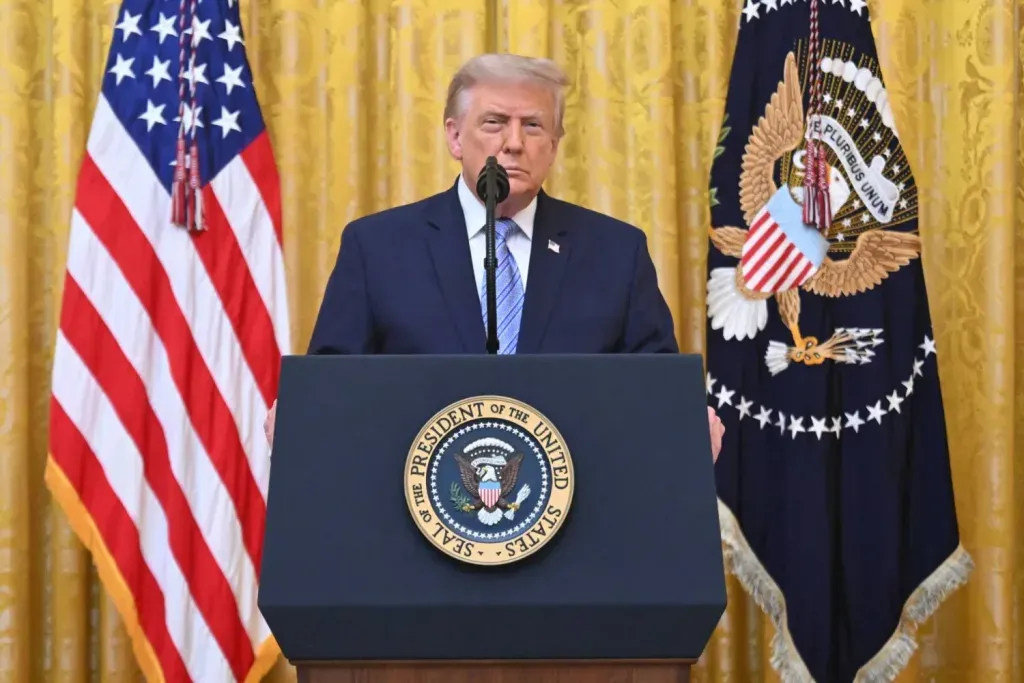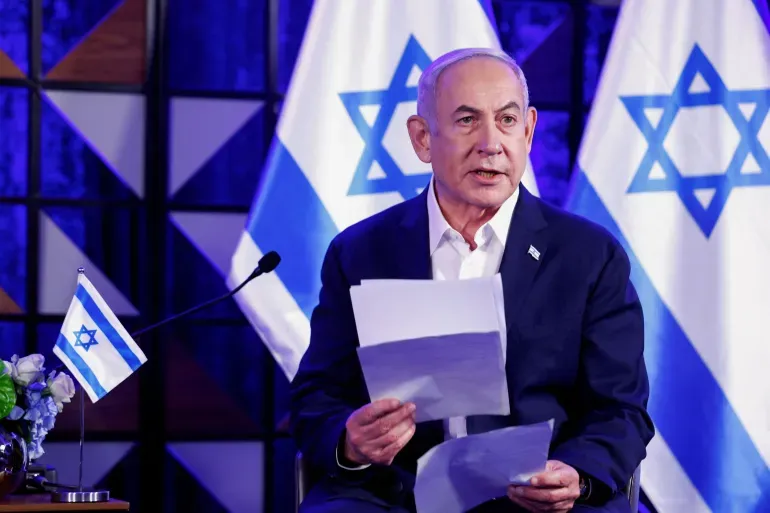
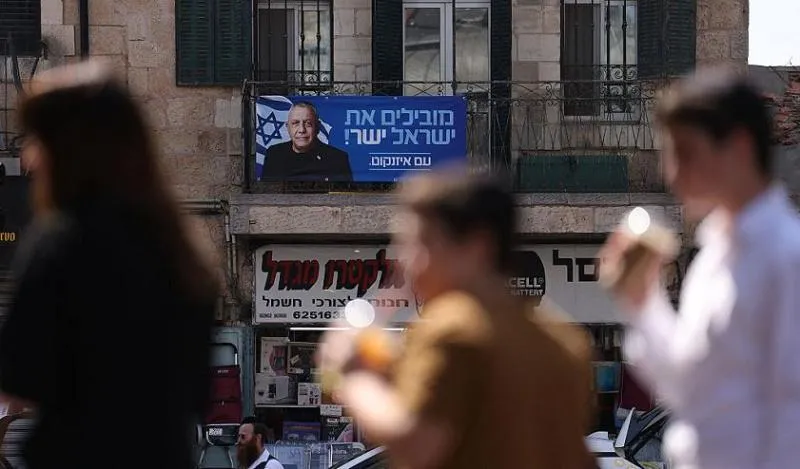
A new poll conducted about three weeks before the 26th Knesset elections showed the Yesh Atid party led by Gadi Eisenkot continuing to lead the party map with 23 seats, while Likud led by Benjamin Netanyahu rose to 21 seats, and the current coalition dropped to only 49 seats, compared with 13 seats for Arab parties.
According to the poll conducted by Channel 12 and published on Monday evening, the Bayit Yehudi party led by Naftali Bennett maintained 13 seats, while Yisrael Beiteinu led by Avigdor Lieberman and The Democrats led by Yair Golan each received 9 seats.
The Joint List strengthened to 8 seats, and United Torah Judaism also received 8 seats, while Shas led by Aryeh Deri received 7 seats. Otzma Yehudit led by Itamar Ben-Gvir rose to 7 seats, while the alliance of Religious Zionism and Zehut, led by Bezalel Smotrich and Moshe Feiglin, received 6 seats.
The United Arab List received 5 seats, while the "Reserve and New Economic Forces" list, led by Yoaz Hendel and Yaron Zelikha, crossed the threshold and received 4 seats, according to what Arab48 reported.
In contrast, the "Amcha Yisrael" list led by Ofer Winter fell below the electoral threshold with only 1.5%, while the "Haredi Public" list led by Motti Leiter received 0.6%, and "Blue and White" led by Benny Gantz received 0.5%.
This is the first time Winter's list has fallen below the threshold in Channel 12 polls since the lists were submitted, about 22 days before the elections, a trend also seen in a poll by the Public Broadcasting Corporation published on Sunday, following statements circulated by Yosef Haddad regarding a Palestinian state.
The drop of Winter below the threshold changes the image of the camps compared with the previous poll, as the anti-Netanyahu camp rises by one seat to 67 seats.
According to the channel, this camp is divided between 54 seats for Zionist parties opposed to Netanyahu and 13 seats for the two Arab lists, while the current coalition receives 49 seats. The list of Hendel and Zelikha, which receives 4 seats, is classified by the channel within the "third camp" and is not included in either of the two main camps.
On the question of suitability for prime minister, Eisenkot leads Netanyahu, with 41% saying Eisenkot is most suitable for the position compared with 38% for Netanyahu, while 13% said neither is suitable, and 8% said they do not know.
In a confrontation between Netanyahu and Bennett, Netanyahu leads with 41% compared with 37% for Bennett, while 16% said neither is suitable, and 6% said they do not know.
The gap widens in a confrontation between Netanyahu and Lieberman, with Netanyahu receiving 43% compared with 26% for Lieberman, while 26% believe both are unsuitable for prime minister, and 5% said they do not know.
The poll also addressed, three years after the war, responsibility for the failure of October 7, 2023. Some 25% said the government bears the main responsibility for the failure, compared with 17% who blamed the army, while 47% said the government and the army are equally responsible, and 11% said they do not know.
Sharp divisions appear between coalition and opposition voters; only 3% of coalition voters believe the government bears the main responsibility, compared with 43% who blame the army, and 37% who say both sides are equally responsible.
Among opposition voters, 40% blame the government primarily, compared with 6% for the army, while 52% see responsibility falling on both sides equally.
When asked directly about Netanyahu's responsibility, 65% said he bears "great responsibility" for the October 7 failure, compared with 22% who see his responsibility as "little", and 6% who said he bears no responsibility, while 7% answered that they do not know.
Among coalition voters, 27% believe Netanyahu bears great responsibility, compared with 48% who see his responsibility as limited and 15% who deny him any responsibility. Among opposition voters, 91% hold Netanyahu greatly responsible, compared with 6% who see his responsibility as limited.
Some 66% of respondents support forming an independent official commission of inquiry into the events of October 7, 2023, to be appointed by the president of the Supreme Court, compared with 21% who oppose its formation, while 13% said they do not know.
Among coalition voters, 37% support the commission compared with 49% who oppose it, while support among opposition voters rises to 93% compared with 3% opposed. Among Arab party voters, 80% support forming an independent official commission of inquiry, compared with 2% who oppose, and 18% who do not know.
However, the poll shows a clear decline in support compared with June 2024; at that time, 85% supported forming an independent official commission of inquiry, compared with 66% today, while the percentage of opponents rose from 6% to 21%.
When coalition voters were asked about the extent to which the October 7 failure and its consequences affected their decision to vote for parties in Netanyahu's camp, 33% said it made them reconsider their vote to a large or very large degree, compared with 22% who said its impact was limited, and 41% who said it did not affect them at all.