
A US charity that operates schools in the Gaza Strip plans to record classroom conversations and use artificial intelligence to flag speech it considers "hateful," according to an Associated Press report published Friday, raising concerns over surveillance, privacy, and consent among children who have endured three years of genocide.
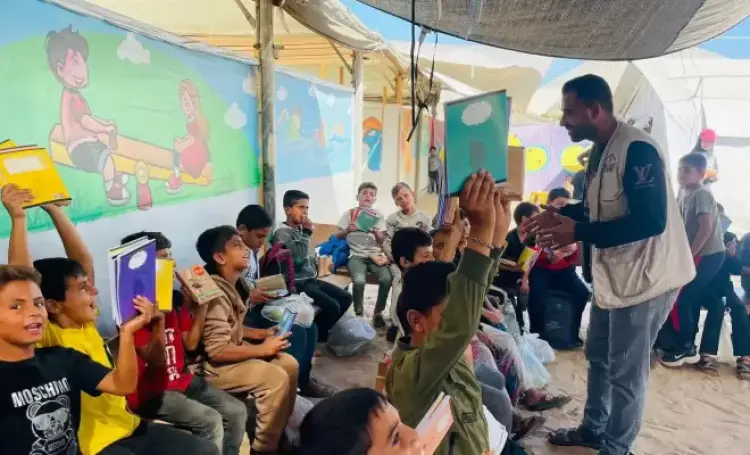
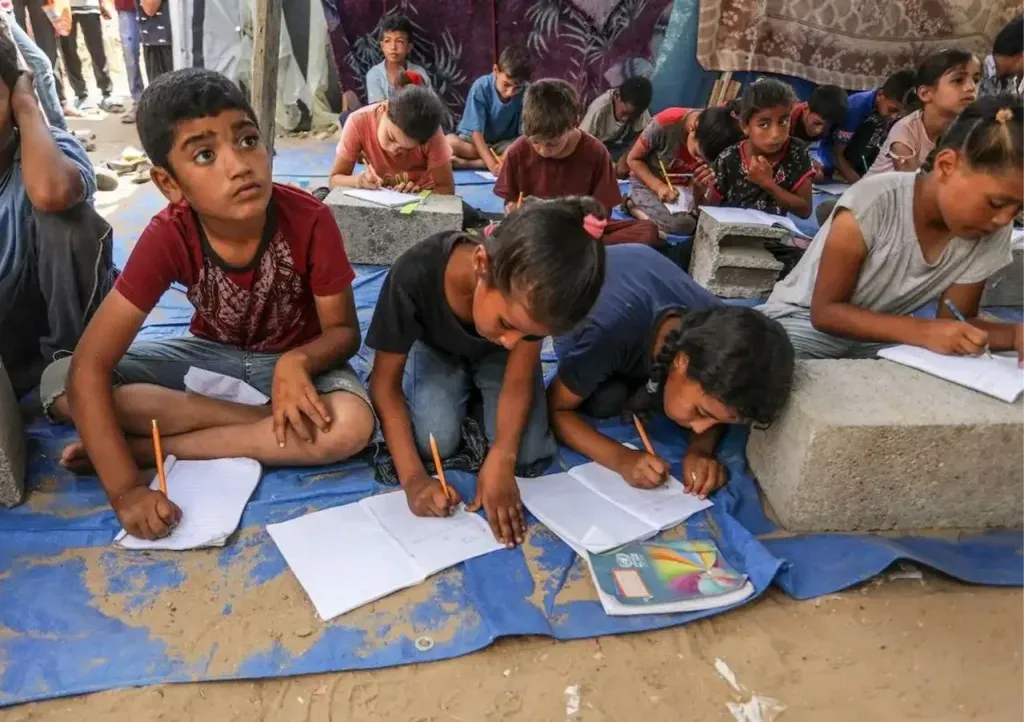
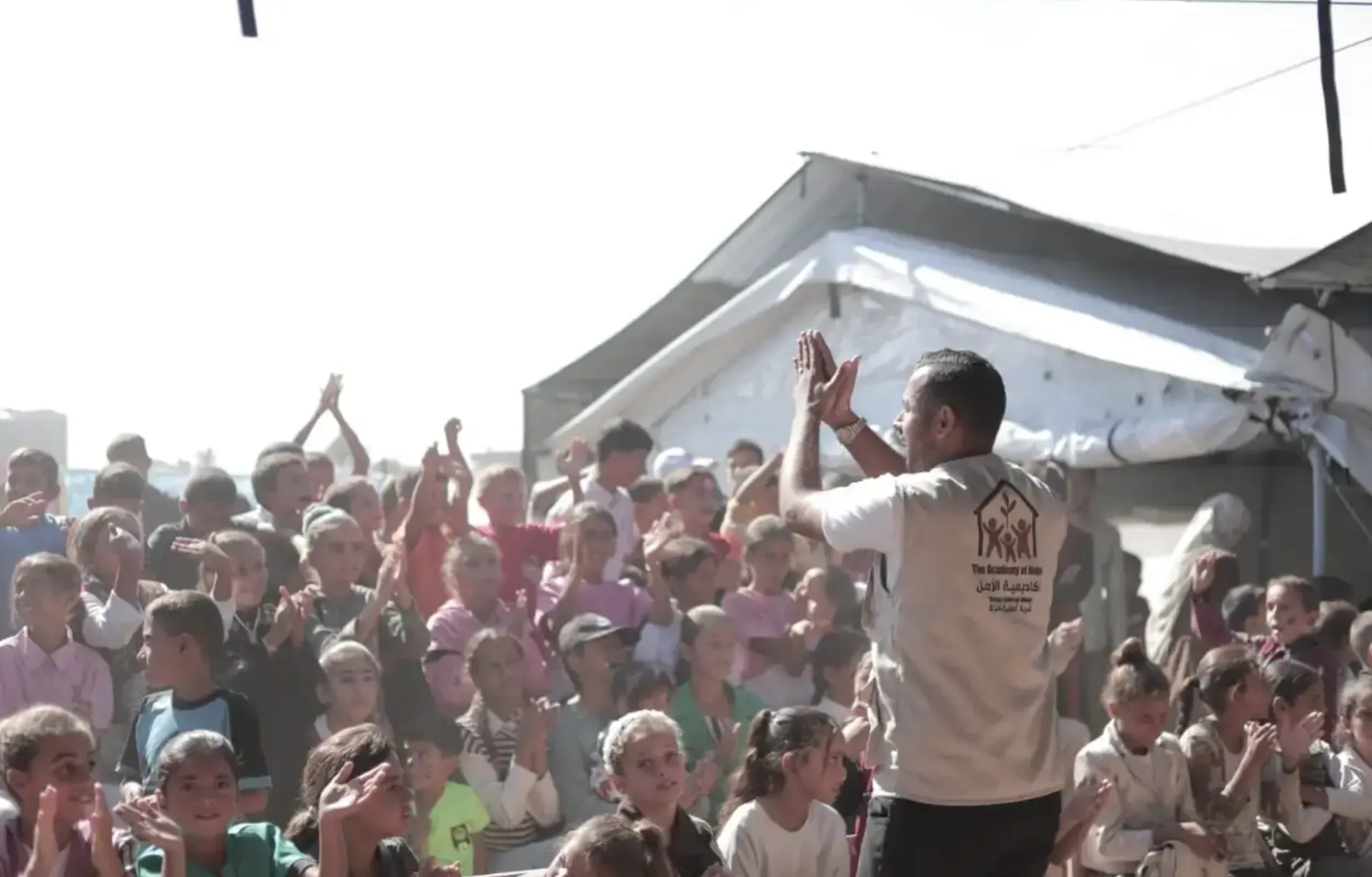
The charity, Gaza Children Village, runs a network of schools it calls the Academies of Hope in central and southern Gaza, the first of which opened last summer. The schools serve thousands of children, many of whom lost relatives in the genocide, and provide meals as well as medical and psychological care. Its founder and chief executive, Dr. David Hasan, is a neurosurgeon born in Kuwait to Palestinian parents who teaches at Duke University's medical school in North Carolina.
Under the plan, an AI system would analyze recorded classroom speech and flag language the charity considers "antisemitic", inciting, or hateful. Hasan said a warning would be sent to him, after which he would contact the teacher for context and feedback. The recordings are reportedly stored for 72 hours, and the system has been tested and is planned for dozens of classrooms. Hasan presented the plan to humanitarian groups in a webinar in September, and described the goal as "de-radicalization."
The AP report said the charity has not defined hateful speech, and Hasan declined to give examples of flagged language or of changes made to the curriculum. The schools teach a curriculum based mostly on that of the Palestinian Authority, with content Hasan says glorified violence or promoted anti-Israel or antisemitic beliefs removed. It is also unclear when the monitoring would begin or whether teachers, students, and families have been informed. Six current and former teachers declined to comment.
Hasan said in a text message that the system was created with PollyLabs, a New York nonprofit. PollyLabs told the AP it had no role in developing or deploying it.
The plan has drawn objections from within the charity's own circle. Bishara Bahbah, a Palestinian American activist who sits on its board, said he was unaware of the plans and argued that cameras should not silence the free exchange of ideas in classrooms. An official at a partner aid group said the cameras could lead it to reconsider the partnership and described AI word-monitoring as opening a "Pandora's box." Ines Abdel Razek of the Palestine Institute for Public Diplomacy criticized efforts to control students' minds, while a Palestinian government spokesperson said surveillance in classrooms would cross an important line.
The charity is funded mostly by individual donors, including American Jews, and says it partners with aid groups and hospitals in North America, Israel, and Europe. Palestinian rights groups say its education work is not accountable to the local and United Nations agencies that have long run Gaza's schools. UNICEF estimates that hundreds of thousands of children in Gaza are out of school.