
The housing crisis in the Gaza Strip no longer stems only from the destruction of homes left by the war, but has extended to shrinking the options available to hundreds of thousands of families to find a safe place to stay, amid continued displacement, damaged infrastructure, a shortage of shelter supplies, and restrictions on the entry of building materials and equipment needed to remove rubble and rebuild.
As the repercussions of the war continue, more than two million Palestinians face harsh living conditions in a limited geographic area, while large numbers of families still live in tents and temporary shelters that do not provide the minimum protection, amid fears their suffering will worsen with the arrival of winter.
The figures reflect the scale of the housing catastrophe. The Palestinian Central Bureau of Statistics, citing a satellite assessment by the United Nations Satellite Centre, said about 201,290 buildings in the Gaza Strip had been damaged as of 16 June 2026, equivalent to about 82% of all buildings in the Strip, of which 134,422 buildings were completely destroyed, while the number of damaged housing units reached about 328,627.
The repercussions of this destruction are not limited to buildings razed to the ground, but also include housing units that sustained varying degrees of damage, limiting the possibility of returning to them and increasing pressure on the remaining habitable places.
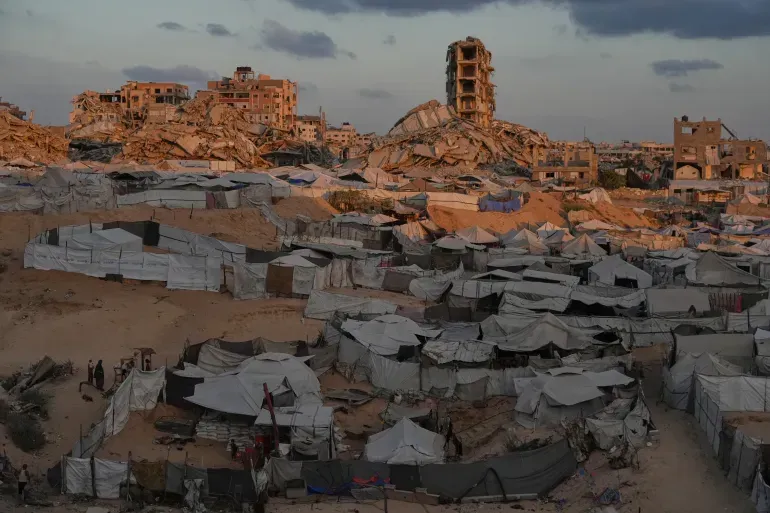
The war pushed large numbers of Palestinians into repeated displacement after their homes were destroyed or their areas became unsafe, turning the available spaces into overcrowded shelter sites lacking space and basic services.
According to the Norwegian Refugee Council, which leads the shelter cluster in the Palestinian territories, about 94% of the Strip's population needs shelter and basic household items, while nearly two-thirds of families live in tents and improvised shelters unsuitable for long-term stay.
These data reflect the growing reliance on temporary housing amid the destruction that hit residential neighborhoods and the inability of many families to return to their original areas. Continued displacement and shrinking available space also increase pressure on shelter sites and make it harder to provide suitable and safe places for families.
Suffering is compounded by the deterioration of tents and temporary shelters, the shortage of basic supplies, restrictions on the entry of shelter and repair materials, and a lack of funding, which limits the ability of humanitarian organizations to provide safer alternatives for displaced people.
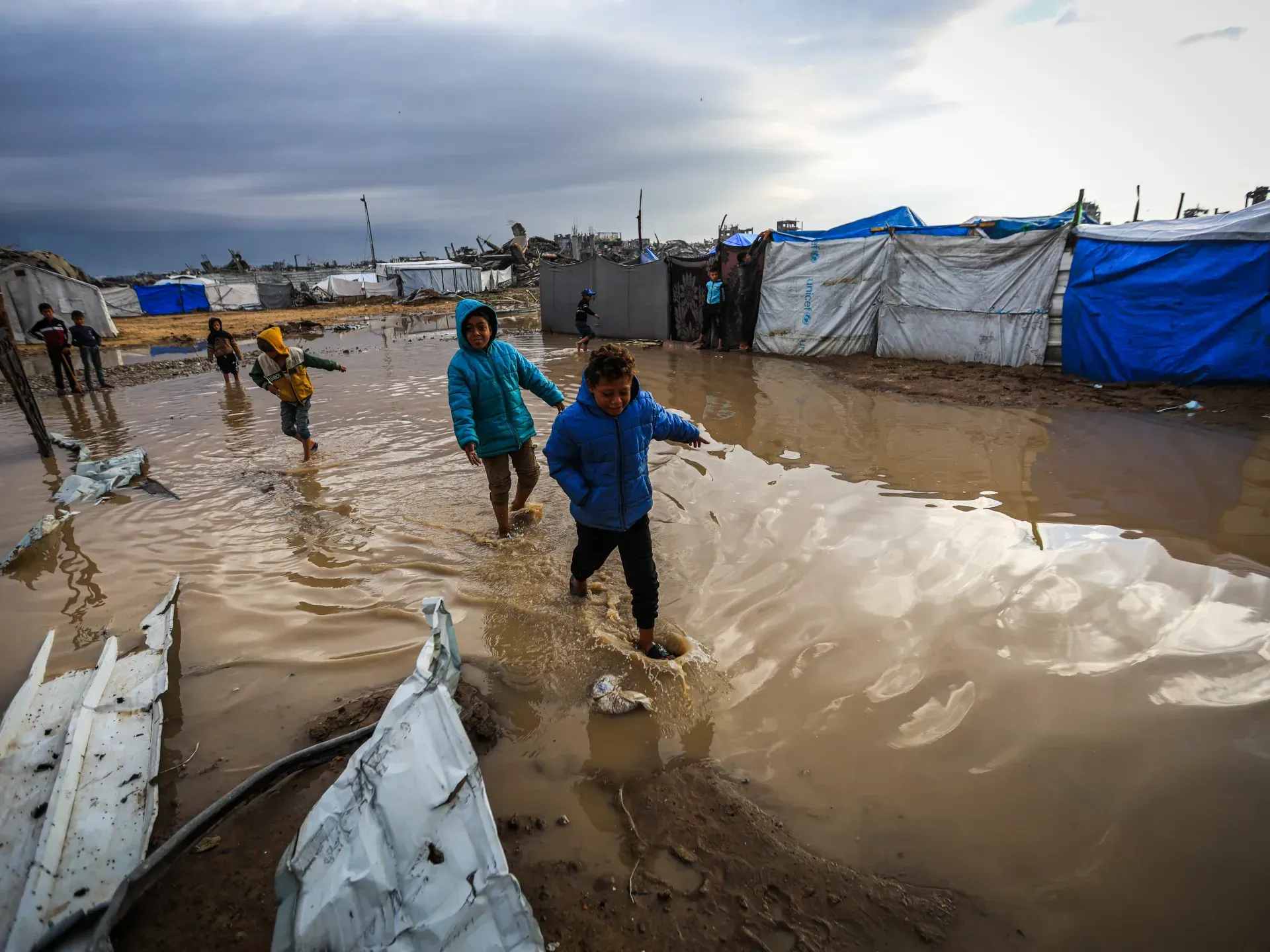
The risks do not stop at the lack of shelter. Rain and floods pose an additional threat to families living in tents and flood-prone areas, as well as to residents still inside damaged and unsafe buildings.
The United Nations Office for the Coordination of Humanitarian Affairs warned of the risks of the rainy season, noting in its report issued on 25 September 2026 that 451 displacement sites were identified as highly exposed to flooding, hosting about 464,000 people, highlighting the scale of challenges facing displaced people as winter approaches.
Alongside the shelter crisis, the accumulated quantities of rubble reveal the extent of the destruction that hit residential neighborhoods and infrastructure in the Strip.
The United Nations Office for Project Services estimated the volume of rubble at more than 60 million tons, making its removal and processing a major challenge for recovery and reconstruction efforts.
These quantities are not merely the remnants of destroyed buildings. They also constitute an obstacle to rehabilitating neighborhoods, opening roads and restoring basic services, given the need for heavy equipment and broad technical and financial capacity to deal with them.
This means that bringing life back to the affected areas will not be limited to building new homes, but will require removing rubble, repairing water, sewage, electricity and road networks, and rehabilitating basic facilities, in addition to providing funding and the necessary building materials.
These challenges grow amid restrictions on the entry of equipment and essential supplies, slowing the response to housing needs and limiting the ability of families to repair their homes or return to them.
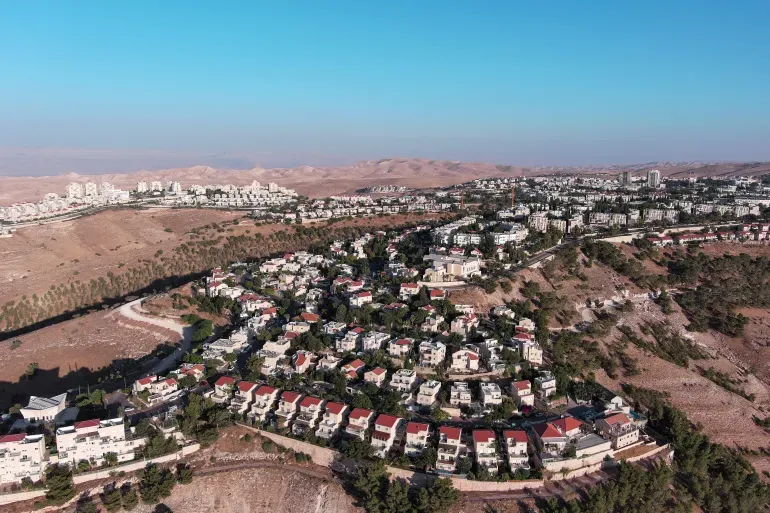
The repercussions of the housing crisis go beyond the scale of destruction that hit homes to include restrictions on movement and access to wide areas, and field changes resulting from military operations and the erection of earth barriers, further complicating the return of residents to their areas and limiting the housing options available to them.
Despite the ceasefire agreement, UN reports still indicate continued military activities and restrictions that hinder the delivery of humanitarian aid, alongside difficulties in bringing in shelter materials and rubble-removal equipment, compounding the suffering of displaced people and preventing preparations for the rainy season.
With military control continuing over parts of the Strip, the housing crisis overlaps with a broader crisis related to access to land and basic services, and the possibility of removing rubble and rehabilitating the affected areas.
While displaced people await conditions that would allow them to return to their homes or obtain alternative housing, reconstruction still faces major challenges, most notably the scale of destruction, a lack of funding, and restrictions on the entry of building materials and necessary equipment.
Between the shrinking space available to residents, the scale of destruction and the continuing displacement, the housing crisis in the Gaza Strip is worsening, going beyond the loss of homes to the absence of stable alternatives and the difficulty of reaching safe places to stay, while thousands of families face the risk of remaining in tents and damaged buildings, with no clear horizon for a sustainable solution that guarantees them safe housing and stability.