
The US military has prepared new plans for strikes that could include the use of the so-called "Mother of All Bombs" to target Iran's energy infrastructure and nuclear facilities, if President Donald Trump issues an order to resume combat operations, whether before or after the midterm elections, according to US officials familiar with the matter.
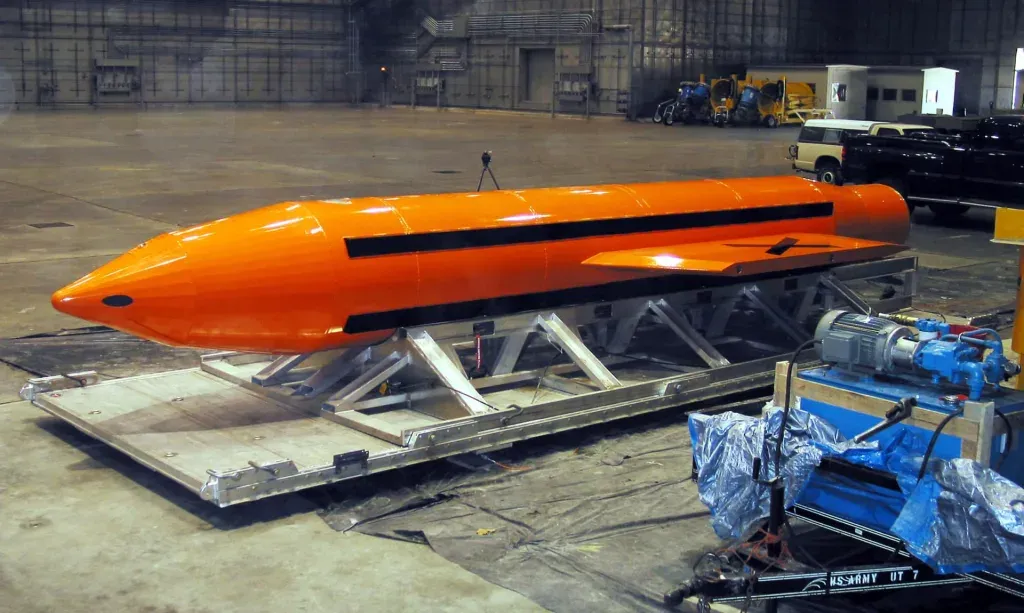
Numerous sources familiar with internal military discussions about the potential use of the weapon said that using the GBU-43/B bomb, known as the MOAB - the largest non-nuclear bomb in the US arsenal - for the first time in the conflict with Iran would mark a notable escalation, despite doubts about its effectiveness in achieving any of the strategic objectives Trump has announced or in tipping the balance of the war.
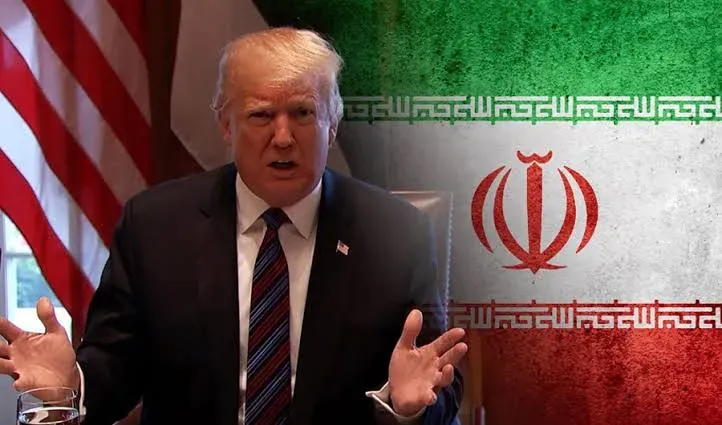
Trump faces pressure to end the war, which enjoys widespread popular opposition, as Republicans brace for potential political fallout from voters in the upcoming midterm elections, and with no significant indications of an imminent negotiated settlement between the two countries after more than six months of US bombing.
While the US military continues to provide Trump with options for potential strikes against remaining Iranian targets, some officials still wonder in private discussions whether the White House has a strategy that integrates those plans into a framework capable of actually ending the war - a matter only the president has the authority to decide.
For months, Trump and his advisers have discussed options that could form a "decisive" end to the war - at least from a media and marketing perspective - recognizing the extent of American public discontent with the conflict.
Although some figures in the US administration have described the war as effectively decided in favor of the United States, Trump has been more cautious in his recent statements, avoiding declaring victory and saying only that there are tasks not yet completed for the United States in that country.
Behind the scenes, Trump has also expressed skepticism about the views of some allies outside the administration who urged him to simply withdraw US forces home and move on; Trump believes such a step would look like a defeat.
Over the past few weeks, White House advisers have held meetings to discuss various options for dealing with Iran. While Trump has publicly stated he will not take new actions before the midterm elections, many advisers said in private discussions that they do not know whether this statement is final or could change before election day.
A source told CNN that Trump ordered the military to prepare additional plans for strikes against Iranian targets - including "a lot of energy infrastructure" - with the possible use of the MOAB, and the same source indicated that the wording used stipulated that this attack would occur "before the US withdrawal from the area of responsibility of Central Command," suggesting the administration might launch the additional strikes, try to declare victory, and then quickly withdraw its forces.
A second source told CNN that military plans to strike Iranian nuclear facilities - including the "Mount of the Axe" site - also explicitly stipulate the use of the MOAB. Trump has repeatedly threatened in recent months to strike the "Mount of the Axe" site - which the United States and Israel believe Tehran uses to store components of its nuclear program - even after comprehensive combat operations were suspended earlier this year; Trump continues to emphasize that his goal is to ensure Iran never obtains a nuclear weapon.
The sources indicated that if used, the bomb would leave devastating effects in the target area, but its impact would likely be limited to the surface level. The massive blast range of the bomb would undoubtedly raise concerns about possible civilian casualties, especially if used to target Iranian infrastructure facilities located near populated areas or very close to non-military sites.
However, Trump might choose to use the MOAB as a psychological weapon at a time when the Iranian regime appears to be holding firm to its positions and unwilling to yield to his diplomatic demands.
Although US officials warn that its use would likely not force Iran to surrender or achieve a strategic military victory, it could provide Trump with an additional option - without the need to resume comprehensive combat operations - to change the status quo of the conflict.
A third source familiar with recent planning discussions added: "Unfortunately, the president has put himself in a position where he seems compelled to take some action; and in the absence of ammunition designed to penetrate those depths... one must consider the psychological effects, which the MOAB is a highly effective tool for achieving."
Many within the US administration, as well as analysts outside it, agree that the only way to decisively defeat Iran lies in a major military operation involving ground forces; a commitment that could cost thousands of American lives.
Although the Pentagon is studying all scenarios - meaning such plans already exist - there is currently no one inside the administration advocating for such a drastic action.
Trump has indicated he has little interest in deploying US ground forces in Iran, but his desire to end the conflict as quickly as possible puts him in a political dilemma; he is fully aware of the decline in public support for the war, yet he has been unable to reach a diplomatic agreement to end it.
CNN reported that senior Trump administration officials and military planners have focused for weeks on finding a way out that gives Trump at least a "symbolic" victory he can sell to the American people, without hindering any potential diplomatic breakthrough, starting with an agreement to reopen the Strait of Hormuz.