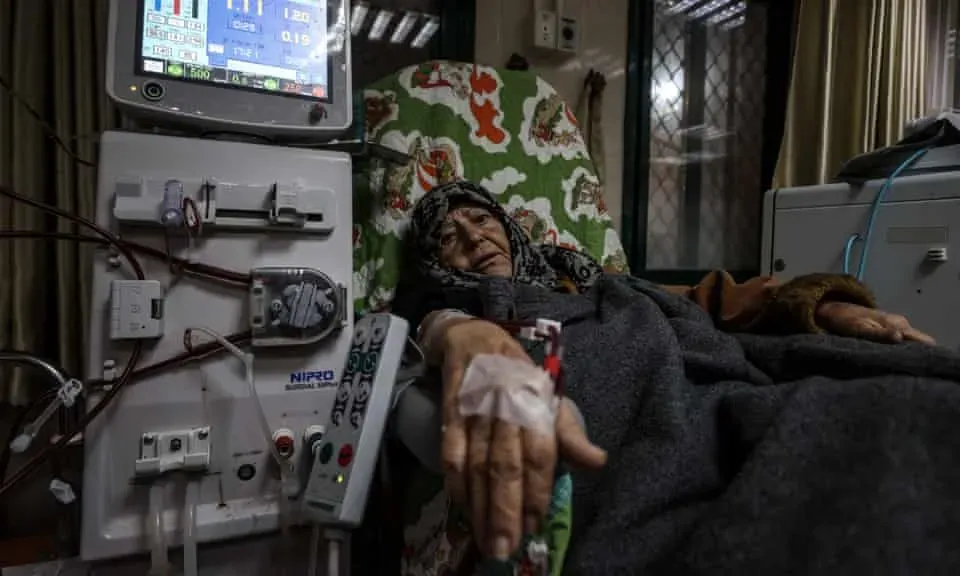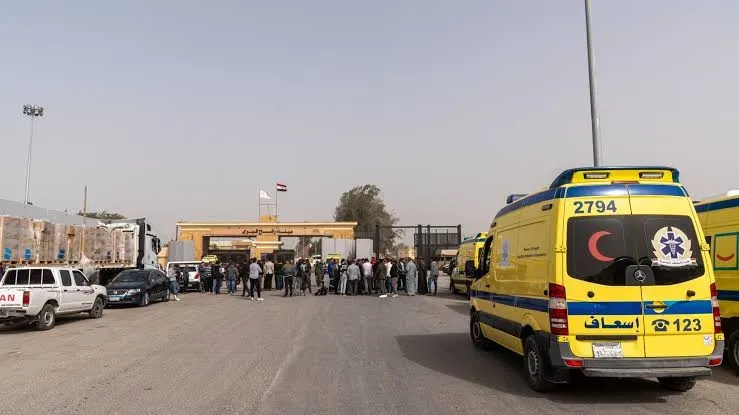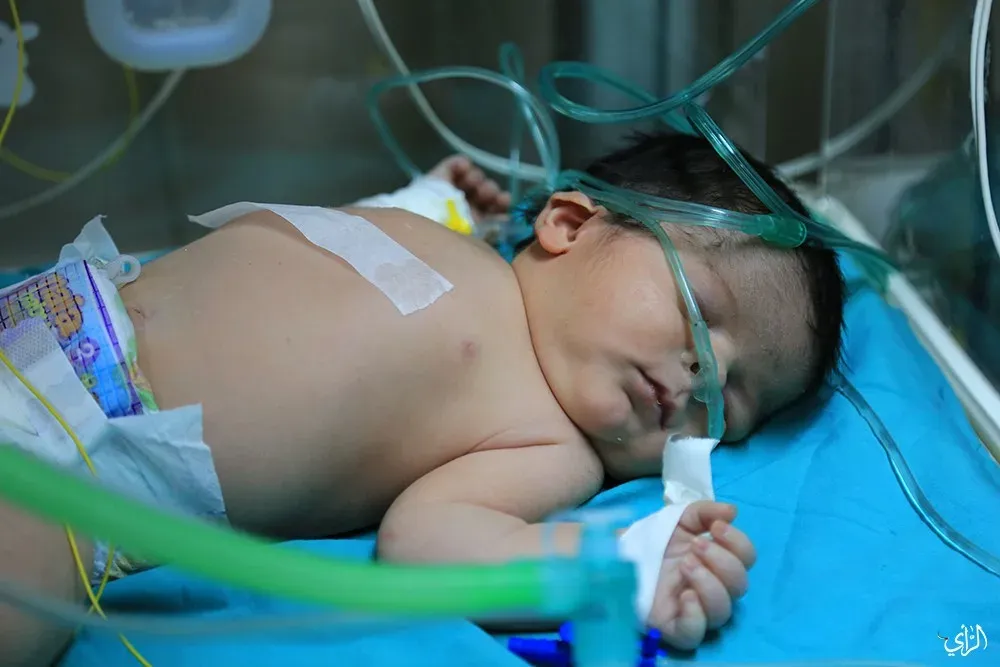

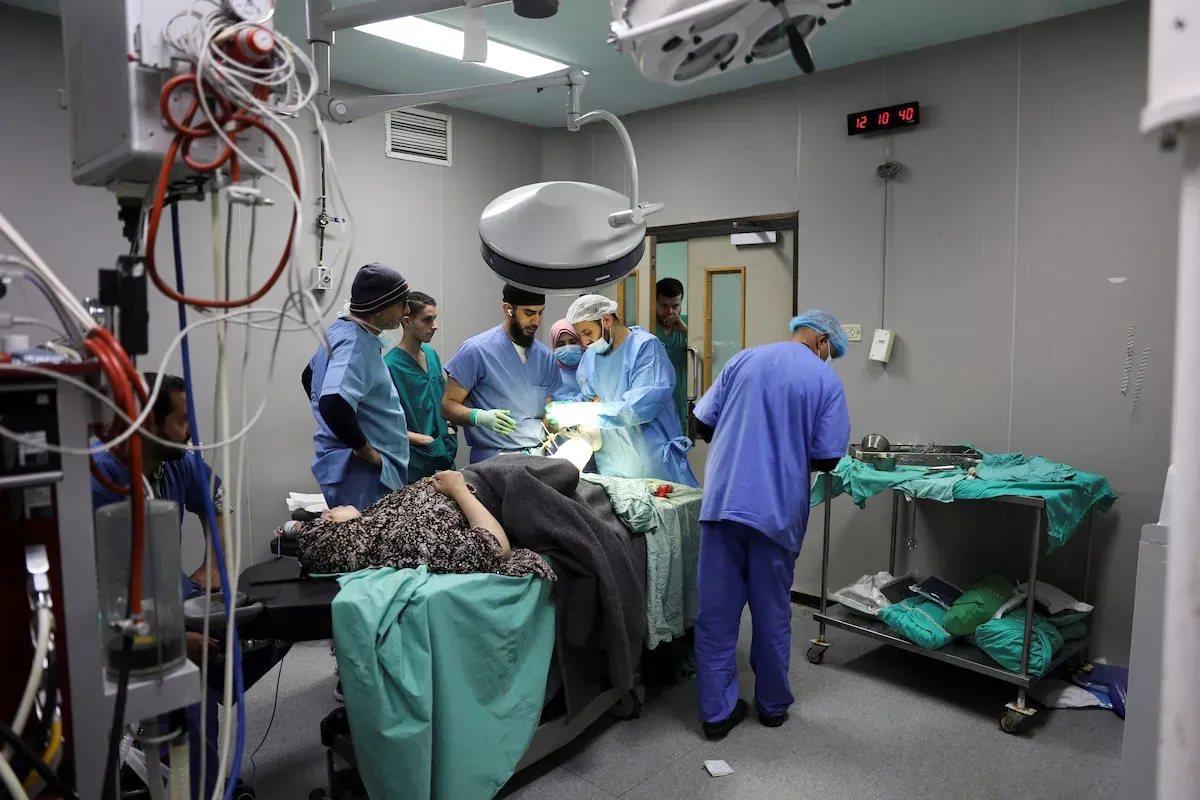
The Palestinian Ministry of Health has warned that Israel's continued closure of the Rafah crossing is preventing critically ill and wounded Palestinians from leaving the Gaza Strip for urgently needed medical treatment, as Israel continues to restrict the entry of humanitarian aid, including medicine, despite the so-called ceasefire.
The Ministry said on Thursday that Israel is committing "grave violations" of international humanitarian law and is "deliberately denying the sick and wounded their right to treatment".
It warned that the closure has led to "a dangerous and fast-growing backlog" of critical cases, with waiting lists "growing daily and far exceeding the capacity" of Gaza's "dilapidated, besieged hospitals" to cope or offer even minimal treatment.
The Ministry called on all concerned parties "to apply serious and urgent pressure" on Israel to open Rafah and all other crossings and "to allow critically ill patients to leave".
In an urgent statement issued last week, the Ministry said Israeli occupation authorities continue to prevent the movement of patients and wounded people who have met the required conditions and have been included on approved travel lists.
It said the continued disruption is particularly affecting patients scheduled to travel during the three days allocated each week for medical evacuation coordination, forcing authorities to disrupt established evacuation schedules.
"Every day of delay negatively affects their response to treatment and their chances of recovery," the ministry said, warning that the consequences are particularly severe for cancer patients, people with kidney failure and those suffering from serious injuries.
The Ministry said many patients have already waited weeks to obtain the medical and security approvals required for evacuation, leaving them facing further uncertainty as their conditions deteriorate.
The Ministry said around 21,000 patients currently require medical evacuation and treatment outside Gaza.
It estimated that, under the current Israeli mechanism and pace of travel, evacuating the existing list alone would take approximately four years.
The Ministry said that because new medical referrals continue to be added every month, another four years could be required to address the newly accumulated cases, bringing the estimated total waiting period to eight years.
The Ministry described the figure as more than a statistical measure, warning that many of the patients cannot survive prolonged delays in accessing specialized treatment.
It said the group includes approximately 5,600 children, 2,800 cancer and oncology patients, 194 life-threatening cases requiring urgent evacuation and around 2,000 emergency cases.
The Ministry also noted that 2,027 patients had died while awaiting medical evacuation since Israel's closure of the Rafah crossing.
The crisis comes as Gaza's health system continues to operate under severe constraints after years of repeated Israeli attacks and extensive damage to medical infrastructure.
The World Health Organization said in February that more than 18,500 patients remained in urgent need of medical evacuation because the treatment they require is unavailable in Gaza.
WHO has also stressed that medical evacuations depend on a multi-stage approval and coordination process. Patients are referred by their treating physicians, while prioritized lists are submitted for security clearance by Israel before WHO and its partners coordinate transportation to the crossing.
The Ministry's latest warnings therefore come against a backdrop of an already limited evacuation system, in which even periods when Israel has opened the Rafah crossing, it has allowed only a fraction of patients requiring treatment abroad to leave under heavy monitoring.
For Palestinians in Gaza, the Rafah crossing with Egypt has long been the sole link to the outside world, serving as a critical lifeline for the enclave.
Israeli forces occupied the Palestinian side of the crossing during the genocide in May 2024, destroying its buildings, preventing travel and causing a severe humanitarian crisis, especially for patients. They deployed soldiers in a military zone all across the Philadelphi Corridor, where they remain today.
The first phase of Trump's Gaza ceasefire 20-point plan which took effect in October 2025 to end the assault had called for Israel to let humanitarian aid into the territory and open "the Rafah crossing in both directions".
However, Israel reopened the crossing only in February, amid repeated unjustified closures, severely limited access, and strict restrictions and monitoring.
Palestinians returning to Gaza through the Rafah border crossing have reported systematic harassment and beatings, saying Israeli forces told them to leave Gaza with their families and never return.
"The total estimated period for patients' travel extends to eight full years," the ministry added, describing the situation as a direct and slow death sentence for thousands of patients whose conditions cannot tolerate waiting for days or weeks, let alone years.
Israeli Defense Minister Israel Katz ordered two weeks ago a general closure of the occupied West Bank and the Gaza Strip on October 5 and 7, the days surrounding the third anniversary of the October 7 operation, sealing Palestinians inside their territory and cutting off the crossing with Jordan on the pretext of security during Israeli commemoration events.