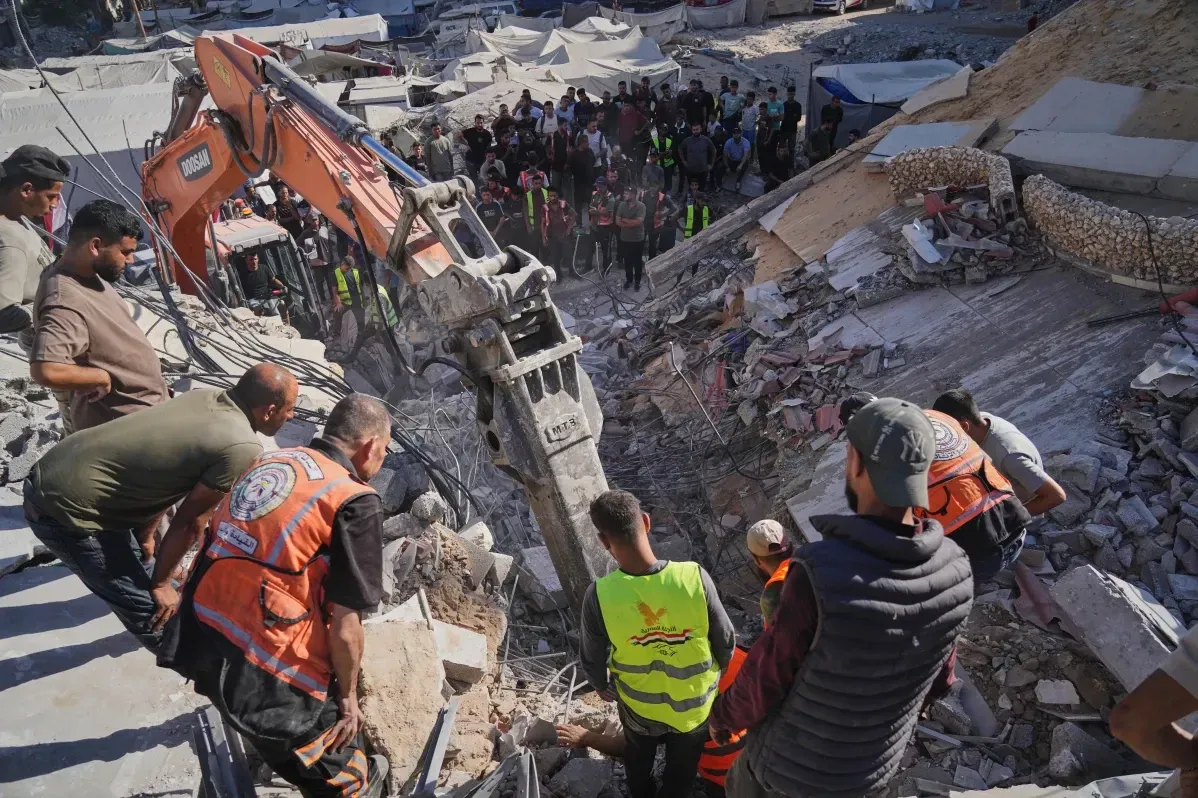

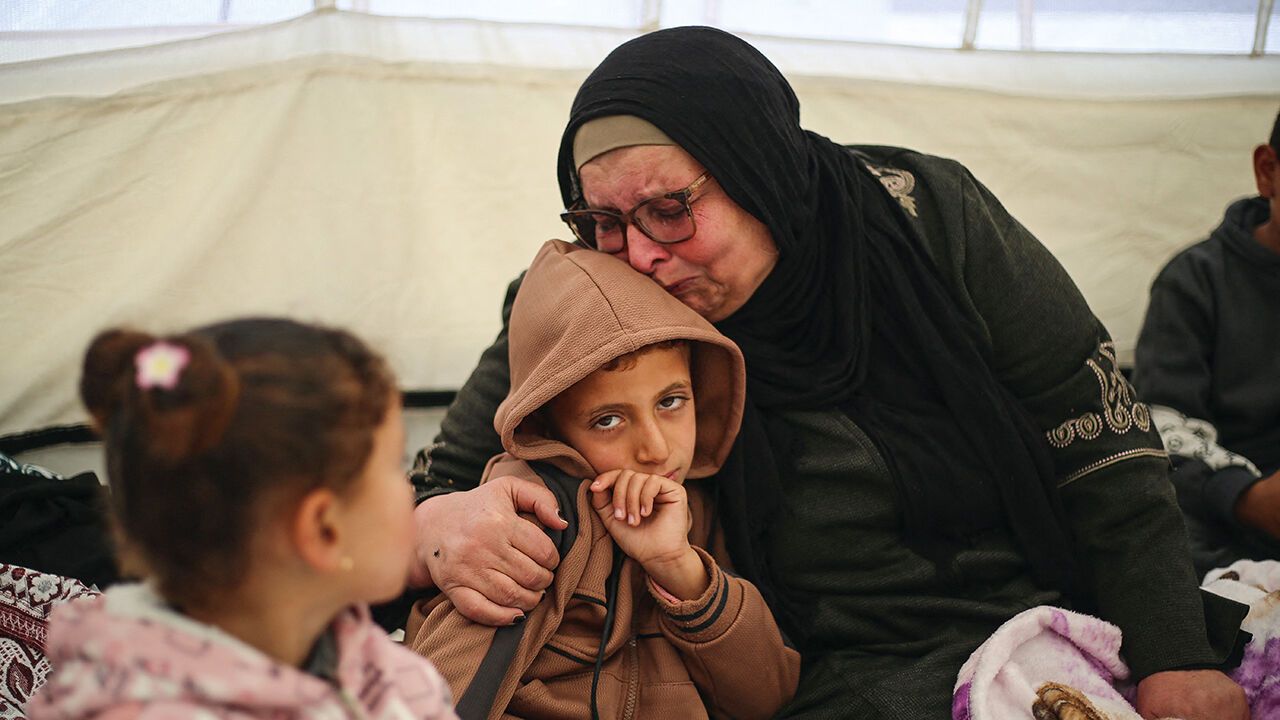
Only 488 Palestinians, out of an expected 1,800, crossed the Rafah border between Gaza and Egypt since its partial reopening on February 2, under strict Israeli restrictions and surveillance. On the first day, 12 Palestinians returned after a 20-hour journey, while only five patients were allowed to leave. Around 1,268 people in Gaza have died waiting for medical transfer.
Dr. Muhammad Abu Salmiya, director of Al-Shifa Hospital, said 450 patients are in critical condition and 20,000 patients, including 4,500 children, need urgent treatment. The Health Ministry noted that 6,000 injured require immediate transfer and the current rate could take years. Authorities warn more lives will be lost unless exits increase.
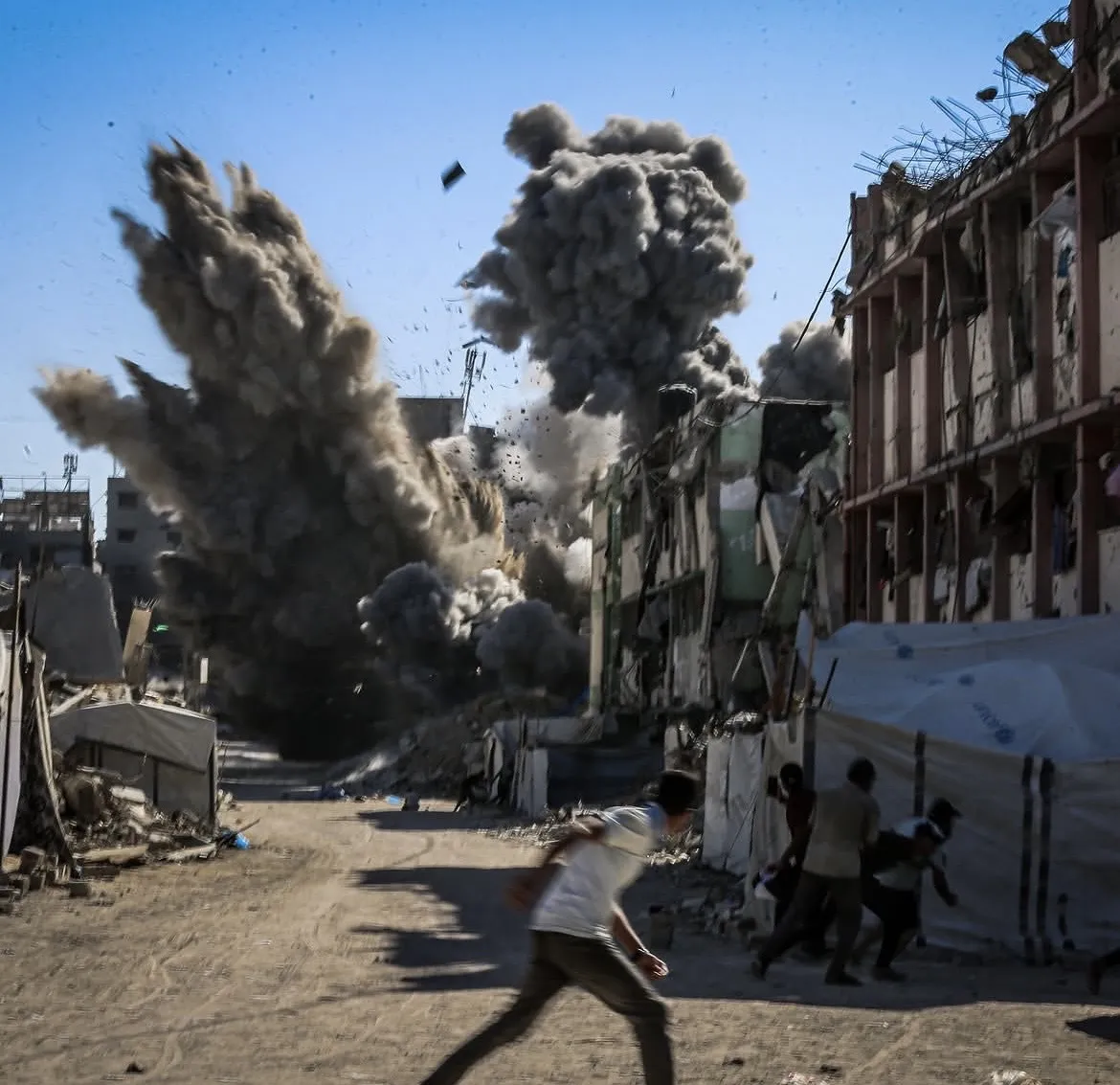
Abu Salmiya added that Israel has crippled Gaza’s health system by denying supplies and preventing doctors from entering, calling it a premeditated act by Israeli forces. Health Ministry spokesperson Zaher al-Wahidi described the evacuation procedure as ineffective and too slow, estimating 10 deaths each day when the crossing is closed or limited.
WHO’s Tarik Jasarevic emphasized the need to open all medical pathways and that evacuations through the West Bank and Jerusalem are the fastest options. He urged other countries to accept wounded Palestinians.
Israel occupied the Palestinian side of the crossing in May 2024, causing further hardship. Despite Trump’s October ceasefire plan demanding aid access and opening Rafah both ways, Israel continues to control over 50% of Gaza, kill civilians, and restrict aid. Reports indicate plans to let more people leave Gaza than return.
Israeli broadcaster Kan stated the crossing will open six hours daily, and a military checkpoint called “Regavim” has been established. Only after passing Israeli screenings will returnees be allowed in, while exits to Egypt are overseen remotely via facial recognition.
Returnees described humiliating checks, delays, and abuse by Israeli forces and affiliated militias. One woman, Rotana Al-Raqab, said she, her mother, and another woman were blindfolded, interrogated, and threatened. Militants asked for information on Palestinian factions. She declared, “No to displacement.”
Another returnee, Sabah Al-Raqab, along with five daughters, recounted abuse and invasive searches by the Abu Shabab gang. Her belongings were confiscated, and returnees were questioned for hours and threatened. Return buses were escorted by Israeli patrols.
Only one of six buses was allowed to reenter Gaza. “The return was hellish,” she said, “but nothing compares to home.” Israeli soldiers asked them to act as informants. The journey through Israeli-controlled areas caused significant distress. Huda Abu Abed described the experience as a “journey of horror,” while Samira Said noted repeated searches at checkpoints.
From February 2 to 10:
– Feb 2: 20 departures (5 patients, 15 companions); 12 arrivals (9 women, 3 children).
– Feb 3: 40 departures (16 patients, 24 companions); 26 denied; 26 arrivals.
– Feb 4: 47 departures (16 patients, 31 companions); 25 arrivals.
– Feb 5: 28 departures (7 patients, 21 companions); 25 arrivals.
– Feb 6 & 7: Closed.
– Feb 8: 50 departures (19 patients, 31 companions); 44 arrivals.
– Feb 9: 40 departures (20 patients, 20 companions); 40 arrivals.
– Feb 10: 50 departures (19 patients, 31 companions); 41 arrivals.
Total: 275 departures, 213 arrivals, 26 denied entries. Only 488 out of 1,800 expected travelers crossed — about 27% progress.