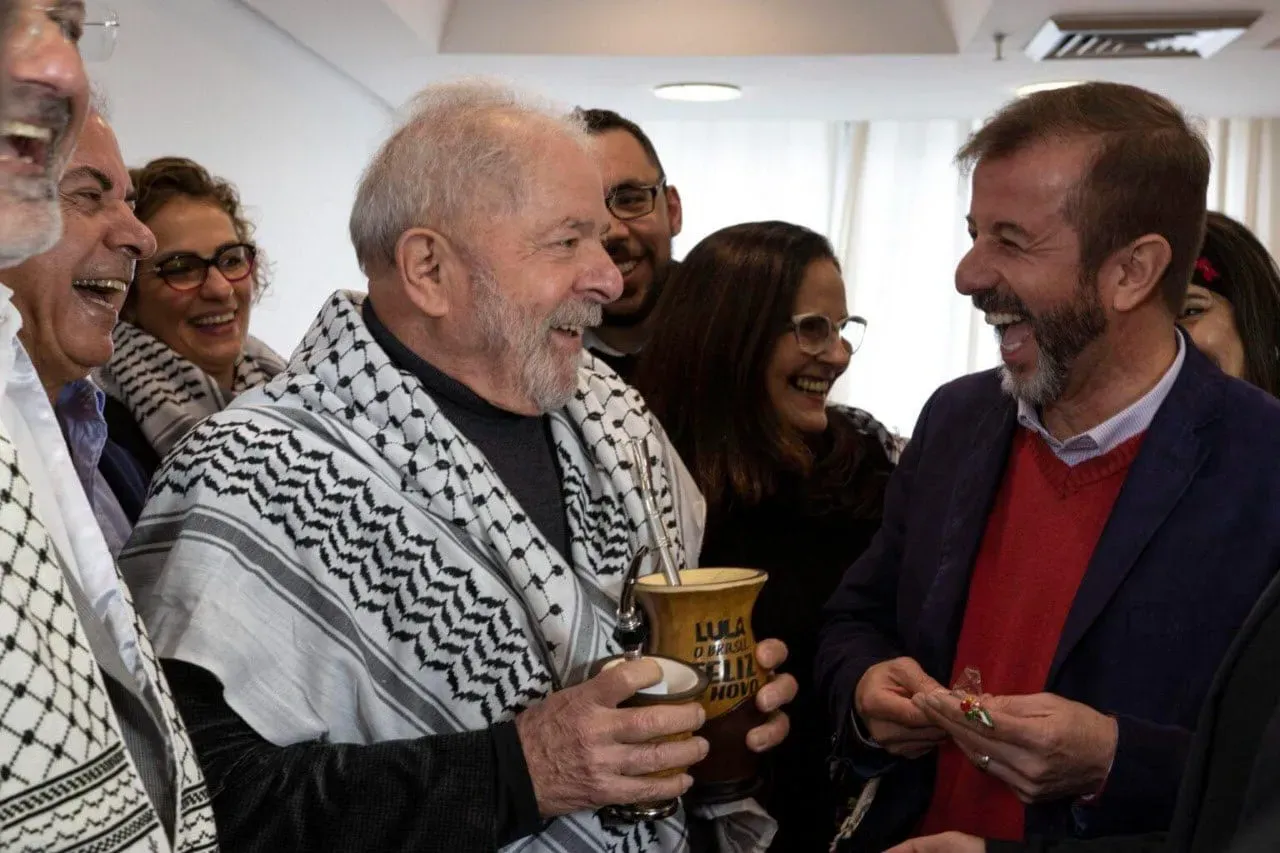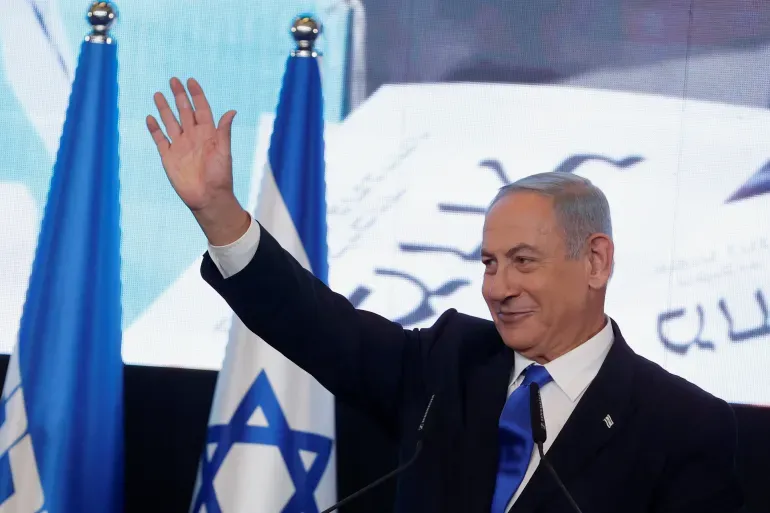


Brazil's leftist President Luiz Inacio Lula da Silva, who will soon turn 81, was re-elected Sunday to an unprecedented fourth term after defeating his conservative rival Flavio Bolsonaro, who announced his intention to seek to annul the vote.
Lula secured about 51.8% of the vote against 48.2% for the son of former president Jair Bolsonaro, according to official results.
With Lula's victory, Brazil did not ultimately swing to the right, as did Argentina, Chile and Colombia, countries backed by US President Donald Trump, but remained one of the few progressive strongholds in Latin America.
Bolsonaro said he will not recognize his defeat to da Silva, adding that he will seek to annul the runoff, and said that Supreme Court judge Cristiano Zanin's decision to extend voting by two hours was "unacceptable."
Brazil's electoral authority had earlier announced it temporarily halted vote counting in the presidential runoff after a Supreme Court judge ruled to extend voting hours nationwide by two hours.
Polls were initially scheduled to close at 5 pm local time (2000 GMT), but closed at 7 pm after Supreme Court judge Cristiano Zanin approved a request submitted by Lula's campaign to extend voting hours, citing public transport problems in three cities in Bahia state.
Tension was high amid expectations from opinion polls of a very close race, and both candidates made last-minute appeals to electoral authorities to extend voting by two hours in specific states. Bolsonaro requested extra time in three states, citing bad weather, while Lula asked electoral authorities to extend voting in nine states after his campaign said officials had reduced public transport services on election day.
Many Brazilians rely on public transport to vote in the cities where they are registered but may not currently reside. Lula's supporters tend to rely more heavily on public transport in these cities, and a court in Bahia state, Lula's stronghold in northeastern Brazil, ordered the arrest of a senior transport official in Salvador over accusations that he ordered a reduction in the city's bus fleet.
Lula told journalists: "No one should give up voting because a heartless businessman or a corrupt and dishonest mayor tried to prevent them from doing so."
The election race was dominated by corruption scandals, economic fears and accusations of US interference, which Washington denies. The campaign was also affected by the fallout from Jair Bolsonaro's 2025 conviction for planning a 2022 coup. Flavio pledged to release his father if he won the election.
Trump described the case as a "targeting campaign" and in 2025 imposed 50 percent tariffs on Brazil in a decision clearly linked to Jair Bolsonaro's trial. Despite later easing some of these measures, Trump imposed new tariffs on Brazil during the current year, citing unfair trade practices.
Lula considered the Trump administration's closeness to the Bolsonaro family part of attempts to influence the election, and criticized tariffs and other punitive measures, describing them as bullying. Economically, Lula faces difficulty winning over voters suffering from high living costs and accumulated household debt despite declining inequality and unemployment rates. Rampant violence by criminal gangs is also a concern for voters.
Bolsonaro, for his part, sought to exploit concerns over living costs, pledging a strict approach to fighting crime that includes building highly guarded prisons and chemical castration for perpetrators of serious sexual crimes.
Bolsonaro won 47% of the vote in the first round, against 45% for Lula. The senator's first-round victory led to a rise in Brazilian markets and currency on expectations of business-friendly reforms.
His first-round success was reflected in congressional elections in favor of his party, the Liberal Party, and other right-wing politicians, which could pave his legislative path or complicate the governing process for Lula.