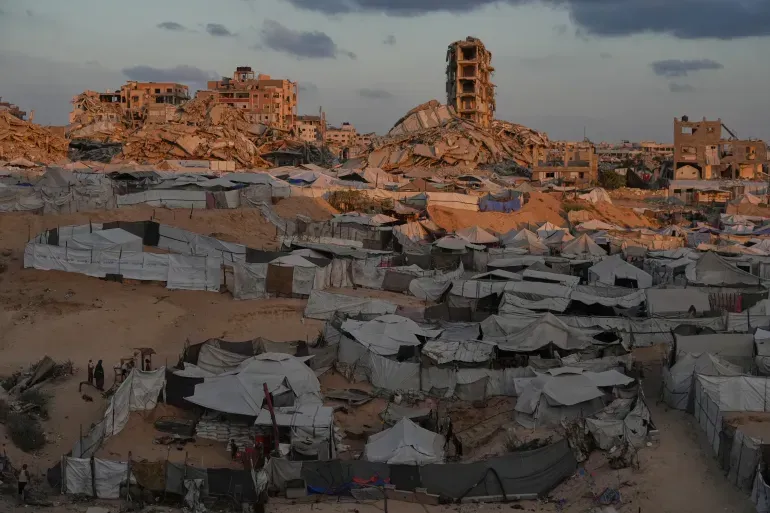

The UN Human Rights Office in the occupied Palestinian territory has warned of continuing fears of ethnic cleansing in the Gaza Strip, as Israeli occupation forces push Palestinians into shrinking areas, destroy remaining civilian infrastructure and target displacement sites, further exacerbating displacement.
In a report issued yesterday, Friday, the office said occupation forces are continuing to expand their deployment westward and push Palestinians into a narrower space inside the Strip, with a declared aim of expanding their deployment area to cover 70 percent of Gaza's territory.
It said it had observed over the past two weeks an expansion of occupation forces' deployment areas in Shujaiya neighbourhood, east of Gaza City, and in the eastern areas of Bureij, Deir al-Balah and Maghazi in the central Strip.
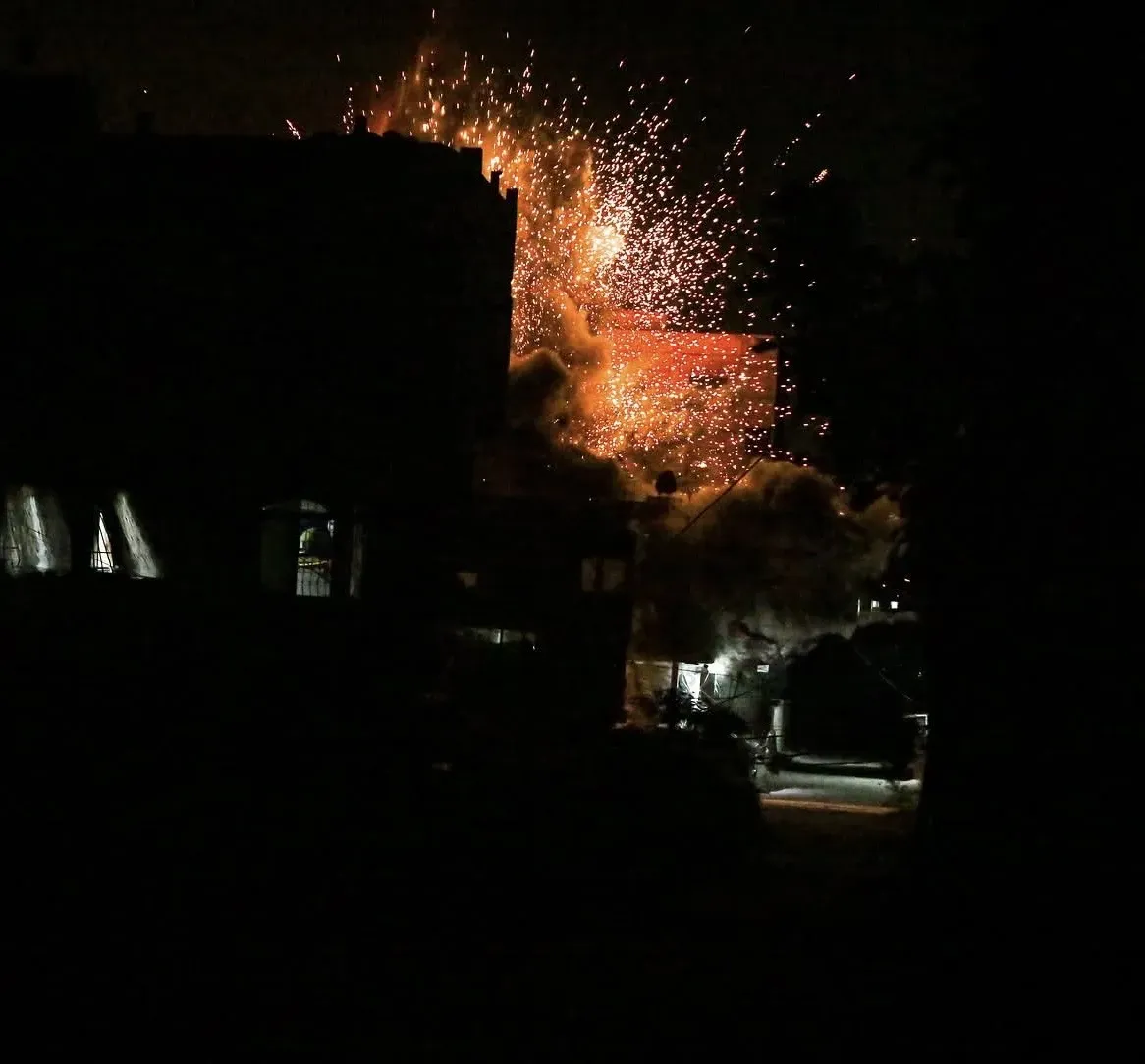
The office noted reports of at least two Israeli army attacks on displacement camps in Shujaiya, along with the detonation of the few remaining buildings in the area, with reports of the use of explosive robots.
It added that an occupation drone dropped munitions on tents sheltering displaced families at the Shujaiya junction, near the so-called "Yellow Line", on 25 October, causing a fire that lasted about five hours and displaced 200 families comprising around 800 people, most of them women, children and the elderly.
Ajith Sunghay, head of the office, said "the displacement nightmare in Gaza is both acute and chronic", noting that the chances of displaced people returning to the areas they left are almost non-existent because most of them lie behind the so-called "Yellow Line" and are inaccessible, in addition to repeated displacement.
The office stressed that Israel, as the occupying power, must stop the forcible transfer of Palestinians inside the Strip, considering it a war crime that may also amount to a crime against humanity.
It also warned that occupation forces treat the "Yellow Line" as a "kill zone" and prevent Palestinians from returning to what remains of their homes behind it.
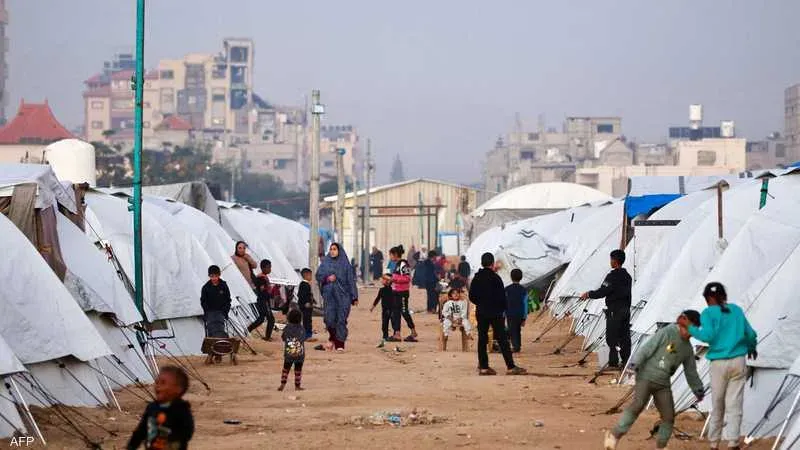
The office noted that the displacement crisis is being compounded by occupation restrictions on the entry of humanitarian aid and shelter materials, while bombardment continues despite a year having passed since the announcement of a ceasefire, forcing families to stay in unsuitable shelters.
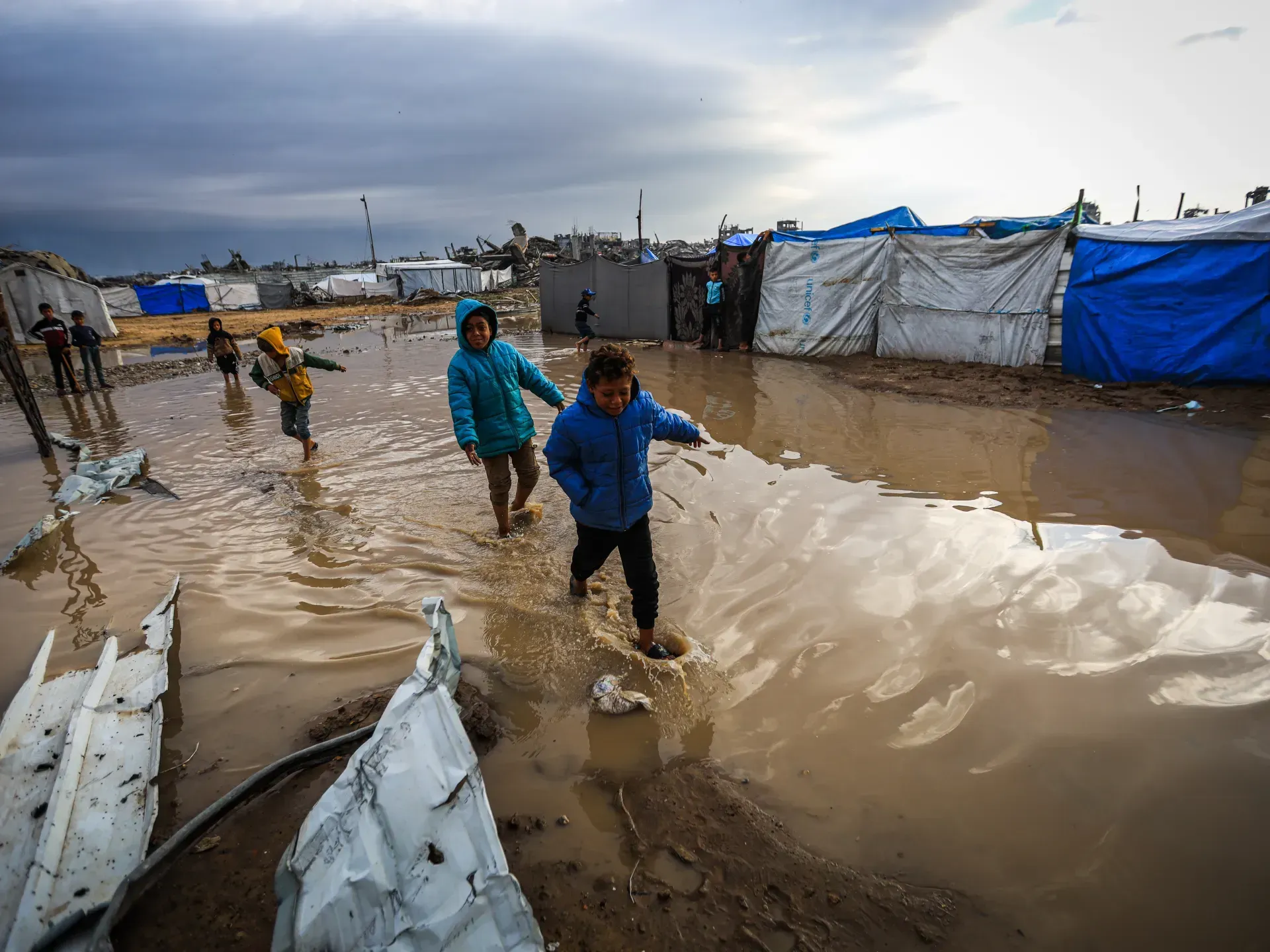
Sunghay said most Palestinians in Gaza are spending their fourth year in displacement and their fourth winter in flimsy tents that cannot withstand the rain, while still exposed to bombardment, expressing hope that this will be the last winter they live under such conditions.