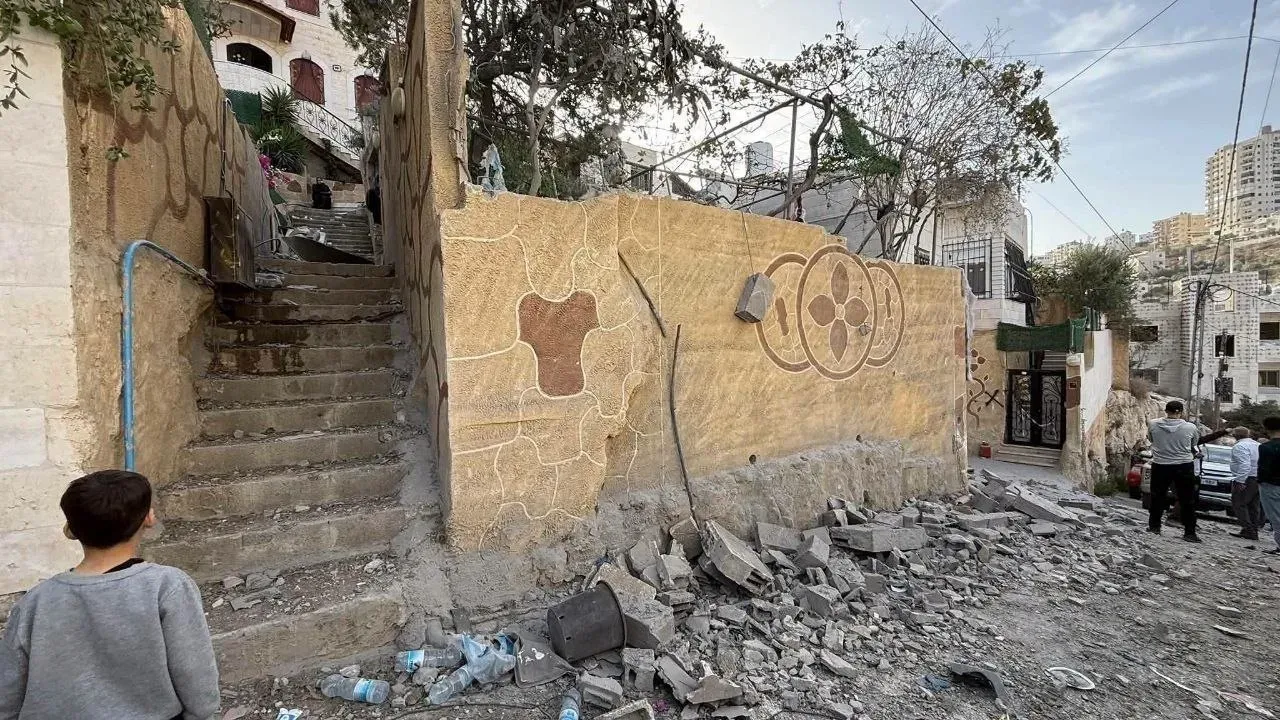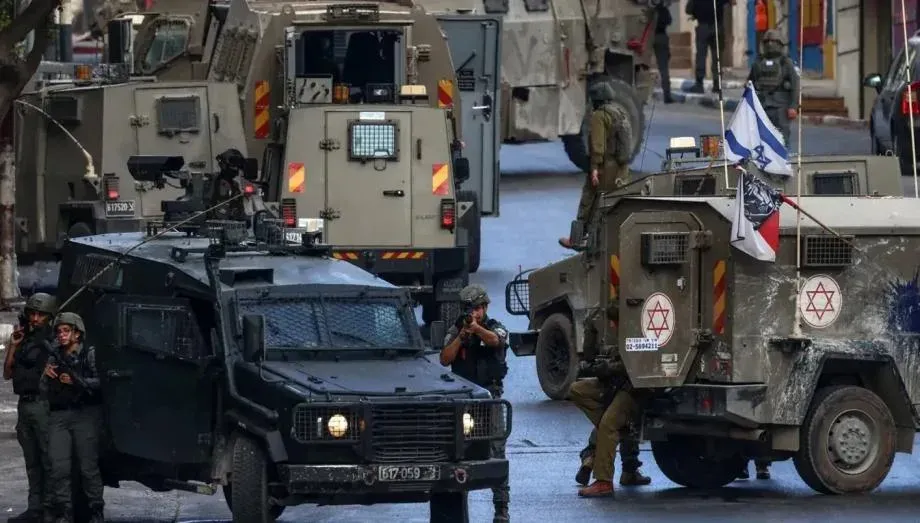

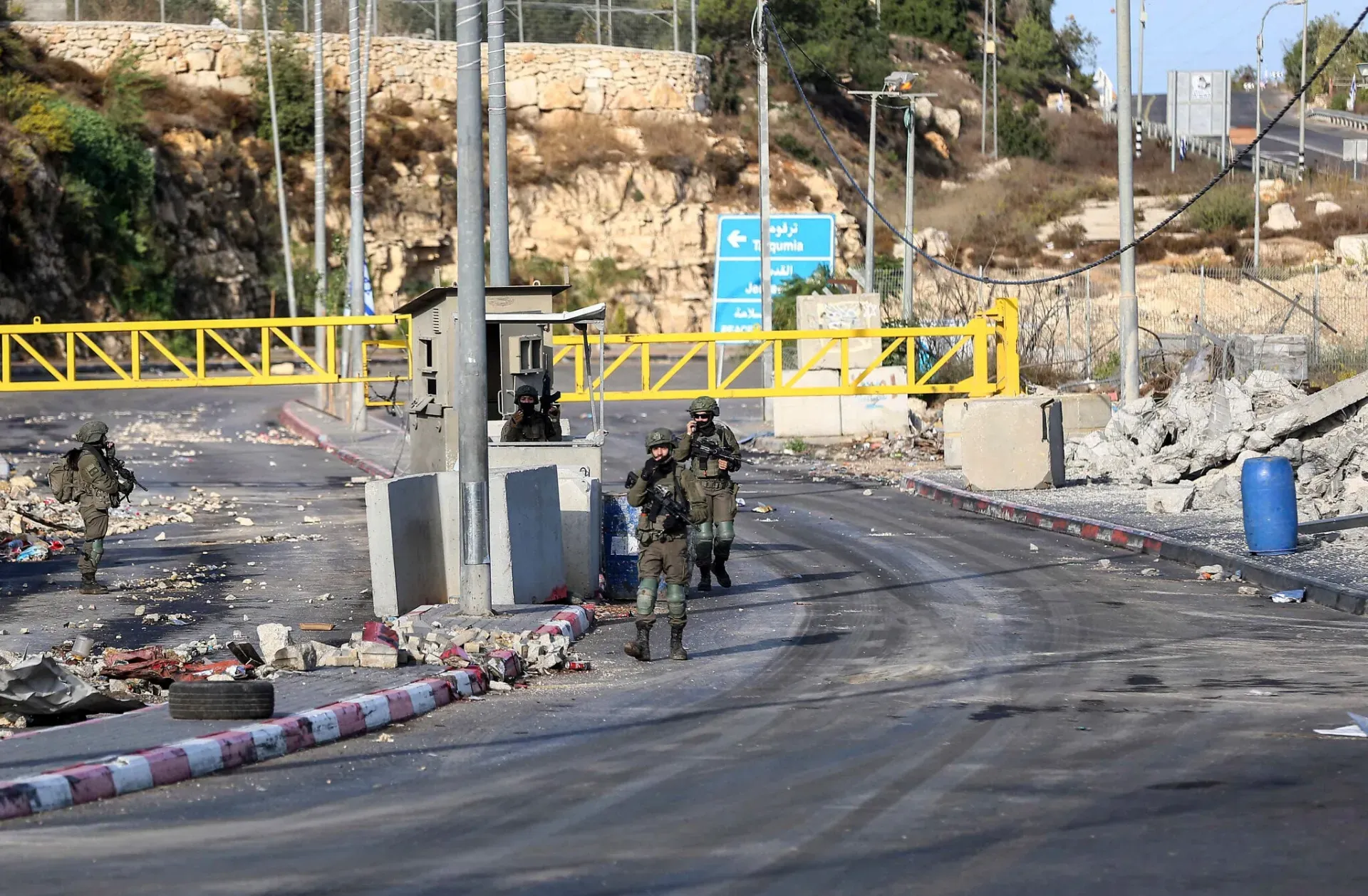
Israeli forces withdrew from the occupied West Bank city of Hebron after a 10-day siege, allowing more than 3,000 displaced Palestinians to return to their homes. The assault involved the demolition of homes, the arrest of dozens of Palestinians, and widespread disruption to economic activity, education and infrastructure, in what rights groups described as collective punishment.
Governor Khaled Dudin announced on Monday that Palestinian security forces had taken full control of the area following the Israeli withdrawal. He said relevant authorities and Palestinian security forces were monitoring developments on the ground and working to provide the necessary conditions for residents to return safely.
The Israeli military imposed a siege on Hebron on October 23 after killing two Palestinians. Hebron Mayor Youssef al-Jaabari said the municipality was officially informed of the withdrawal at 6am (04:00 GMT).
Al-Jaabari said that for the first time in 10 days schoolchildren were going to their schools and university students were on their way to their universities, adding that five universities had been closed during the siege. He said there had been a complete closure, with no entry or exit from the city, and all aspects of life, whether economic, educational, health, or even those related to municipal work, had completely stopped.
Some returning residents said soldiers had wrecked the interiors of homes used as military posts, while others said money and personal belongings had been taken. During the operation, Israeli forces imposed closures on the city and surrounding villages, seizing homes and converting them into military posts.
Al-Atrash said the siege displaced more than 537 families and forced at least 317 shops to close, while checkpoint closures affected the wider governorate of about 800,000 people. According to the Hebron Governorate, more than 3,300 Palestinians were displaced or otherwise affected, particularly in Al-Jalda and Ein Deir Baha, while 15 homes and other structures were demolished.
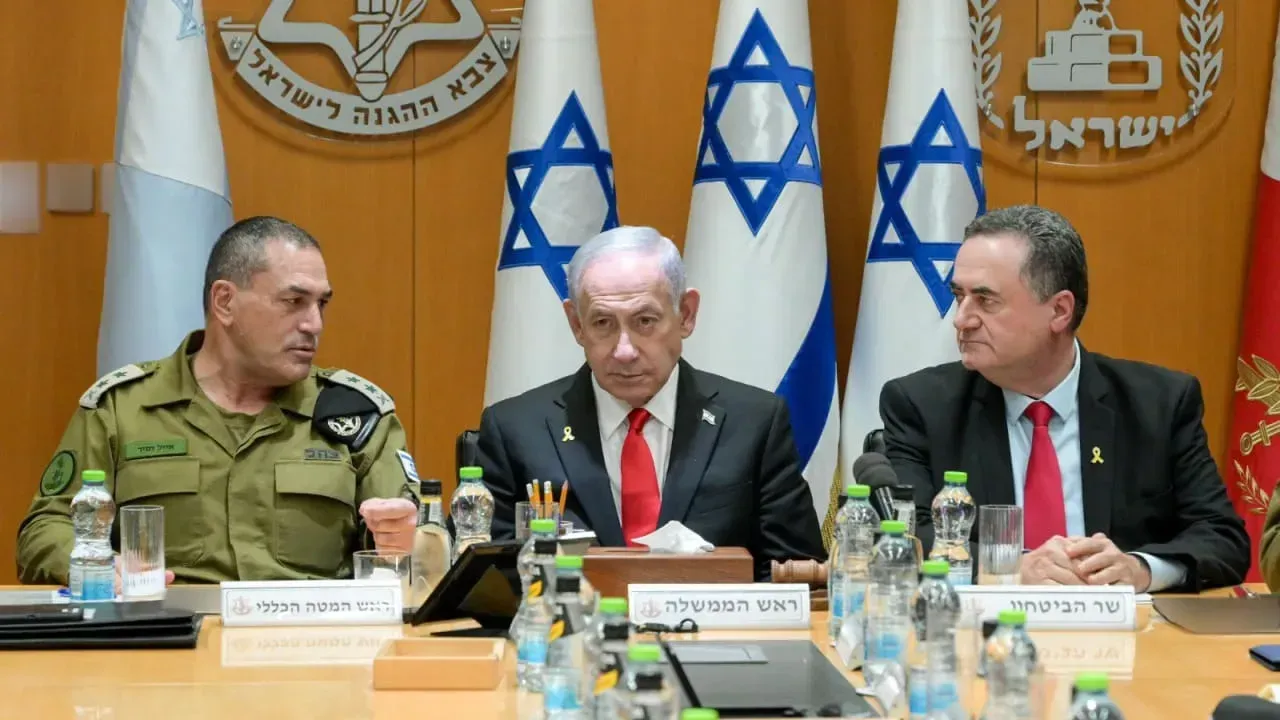
The siege also damaged the local economy and infrastructure and disrupted education. ICC-wanted Israel's Prime Minister Benjamin Netanyahu said he imposed a closure of Hebron and prepared a full lockdown.
Netanyahu announced that Israeli forces will implement the offensive model that we successfully carried out in the refugee camps. Israeli forces expelled the residents of Tulkarem, Nur Shams, and Jenin refugee camps in January and February 2025 during a large-scale assault, which resulted in the largest mass displacement of Palestinians in the West Bank since 1967. Israeli War Minister Israel Katz said the displacement would last one year. But over twenty months later, according to the United Nations, more than 33,000 Palestinian refugees remain displaced from the homes in the refugee camps they were living in.
Netanyahu said the forces will enter the neighbourhoods from which the attackers came, evacuate the residents, go house to house and destroy the area. He added that Israel was prepared for a large-scale operation in the West Bank.
Israeli human rights organisation B'Tselem warned that the planned offensive could amount to collective punishment and involve acts that may constitute war crimes.
Israel Katz promised further mass demolitions and forced displacement. He drew an explicit comparison with Gaza and said Hebron would be targeted in the same way as Jenin refugee camp. Hebron is the largest Palestinian city in the occupied West Bank, with about 250,000 residents.
Katz said the Jenin refugee camp model arrives in Hebron. Every clan neighbourhood in Hebron from which the terrorists emerged today will be evacuated of its residents. Just like in Gaza, just like in Lebanon.
The Association for Civil Rights in Israel called on the army to halt the forced removals and home demolitions and lift the closure imposed on the city, saying the measures constitute collective punishment in violation of international law.
Israeli media and analysts believe that the Israeli PM has been doing everything to provoke Palestinians before the Israeli elections, adding that Netanyahu's strategy relies on deepening the attacks to serve his political interests. Netanyahu's electoral bloc secured the most seats but failed to win a majority in the vote, leaving Israel without a clear path to a new government.