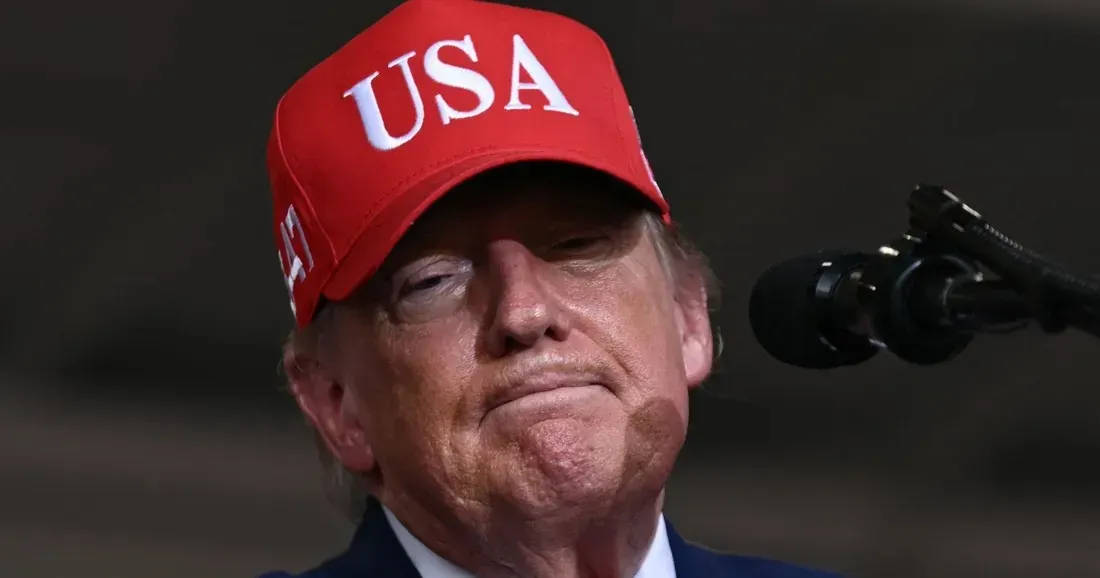

US President Donald Trump is facing a new political phase after the Republican Party lost its majority in both the House of Representatives and the Senate to the Democrats in the midterm elections, a development set to place his administration before growing legislative and oversight challenges during the final two years of his term.
Amid this political equation, expectations are rising that Trump will scale back his focus on legislative battles and direct a larger share of his attention toward cementing his personal legacy and carrying out construction and development projects in the capital, Washington, especially as the chances of passing his political agenda through Congress recede.
The Washington Sun newspaper quoted a Republican strategist as saying ahead of the elections that the Republicans' loss of control of Congress could push Trump to step away from political and legislative confrontations, adding that the president "won't really care about anything after November, and will focus exclusively on his legacy."
According to the newspaper's report, which was based on interviews with about 12 figures familiar with American political circles, the final two years of Trump's term may witness a shift in the White House's priorities, in tandem with an escalation in the confrontation between the administration and the Democratic-majority Congress.
The report said Democratic leaders are expected to use their parliamentary majority to open oversight investigations into the policies and decisions of Trump's administration, summon government officials for accountability, and exert political and legislative pressure on the White House.
The report quoted a source close to the president as saying that the more hardline wing of the Democratic Party may demand the launch of impeachment proceedings against Trump, warning that such moves might push the president to ask the Justice Department to take similar measures against his political opponents.
Democratic control of both chambers of Congress gives the party greater ability to conduct investigations and oversee the administration's performance, as well as to obstruct a number of legislative initiatives Trump may seek to pass, placing his domestic agenda before difficult political tests.
In contrast, the president's allies stress that his administration has become more prepared to deal with congressional investigations and confront Democratic pressure compared with the circumstances Trump faced after the 2018 midterm elections.
With the chances of passing legislation receding amid the Republicans' loss of their majority, Trump may rely more heavily on his executive powers to implement his policies, by issuing executive orders and using his constitutional authority to grant presidential pardons.
In this context, Trump had previously hinted in remarks to the Washington Sun at the possibility of issuing pardons for allies who might be targeted by investigations led by the Democrats, citing what his predecessor, former President Joe Biden, did when asked about the possibility of taking a similar step, saying: "That's what Biden did."