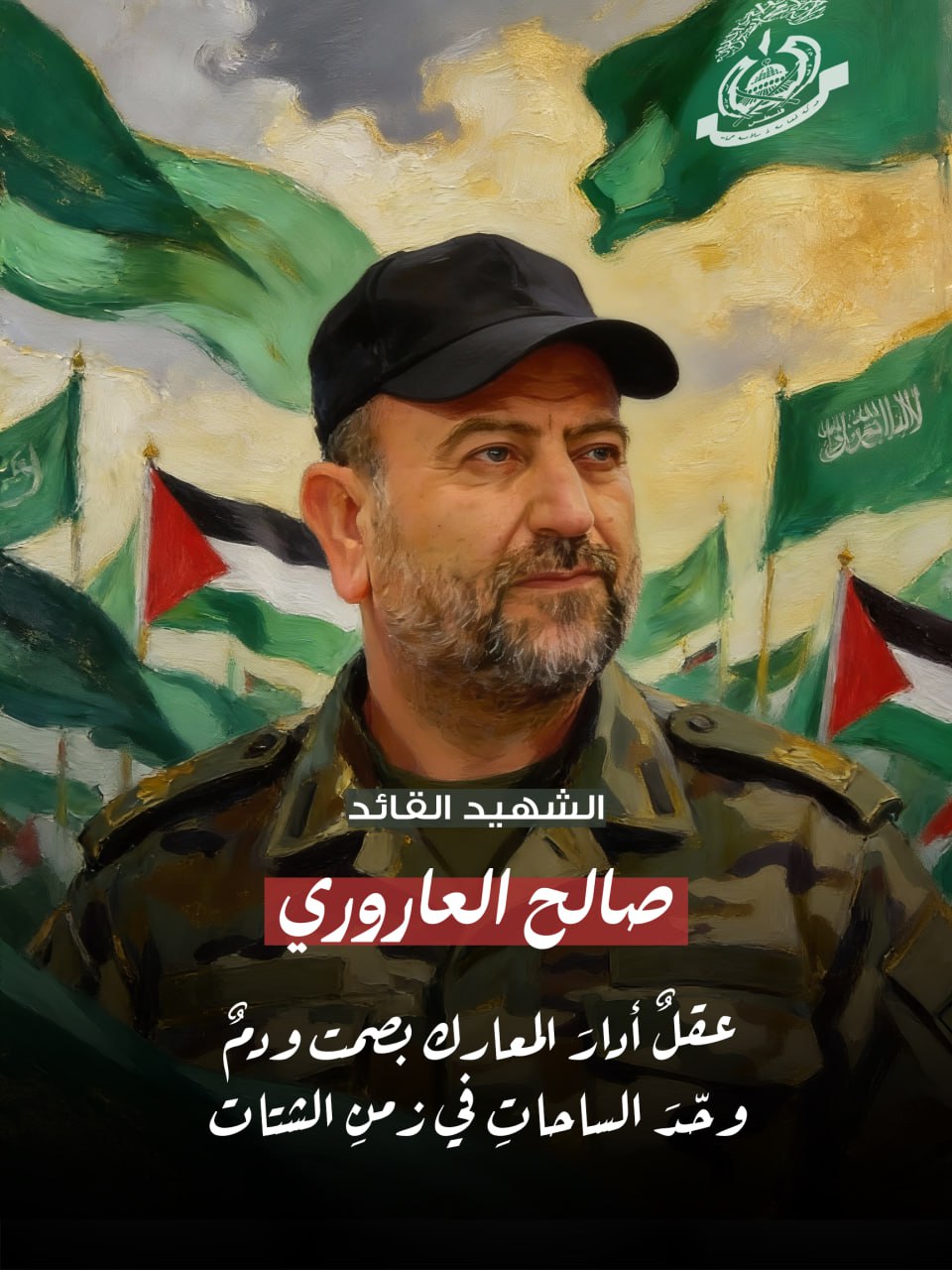
Hamas views its relationships as part of the power equation it seeks to build on the path to liberation and return. Thus, it maintains ties that contribute to this goal and remains open to all except the enemy it does not recognize.
Recently, the movement’s relations have developed in several directions, all aiming to support the resistance and back the people in their struggle against occupation. Hamas leaders were invited to visit Moscow and meet the Russian foreign minister, reflecting the group’s importance to key international actors. Another visit to a different international party may follow in coming weeks, as Hamas remains a key player in the Palestinian issue.
At the Arab and Islamic level, Hamas has maintained contact with a wide range of countries. Its leadership has visited Egypt, Algeria, and Syria, meeting officials there. The movement considers Arab ties a strategic depth and works to strengthen them in support of its people and resistance.
Hamas values the role of Arab partners in promoting Palestinian national unity. It welcomed and positively engaged with the Algerian initiative, expressing hope it will succeed soon.
Hamas also welcomes the restoration of relations between Saudi Arabia and Iran, viewing it as a correct step toward regional security and stability, and a reinforcement of Arab and Islamic unity against external challenges.
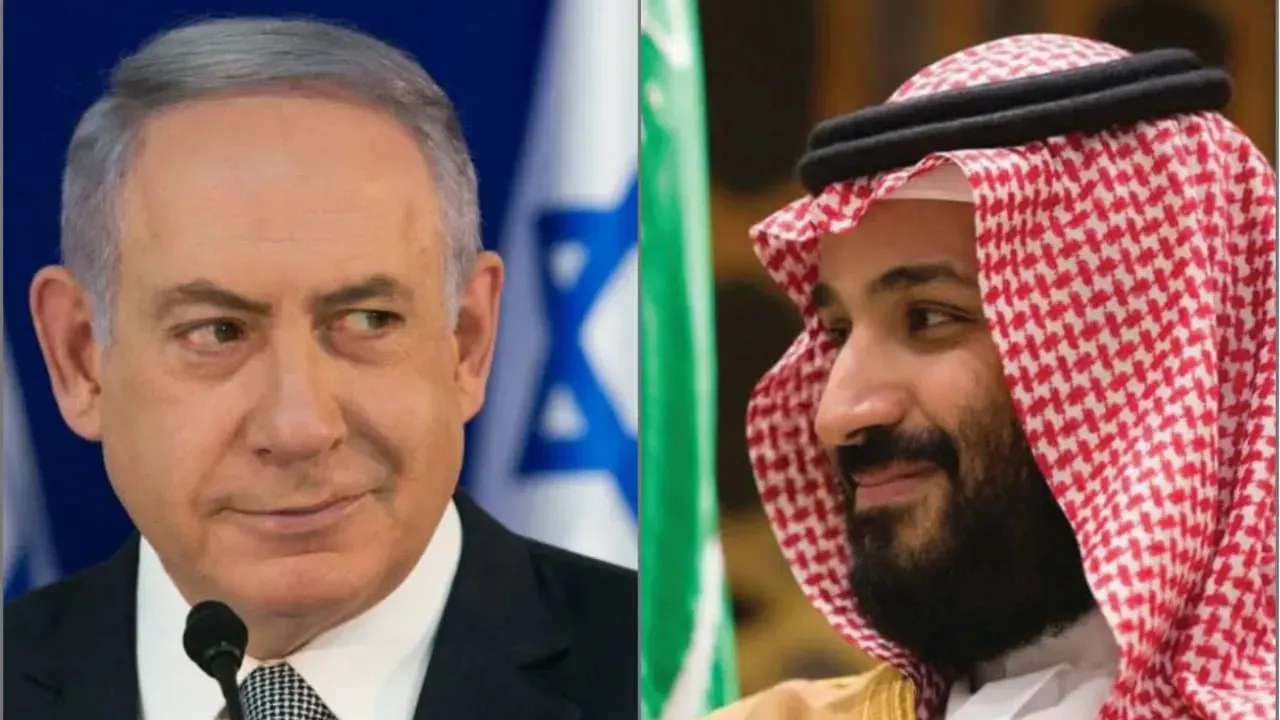
The movement completely rejects normalization regardless of its source, viewing it as recognition of the occupation and denial of the Palestinian people’s rights and struggles. It is also opposed by the Arab and Islamic peoples, who consistently show strong disapproval and support for Palestine when given the opportunity to express themselves.
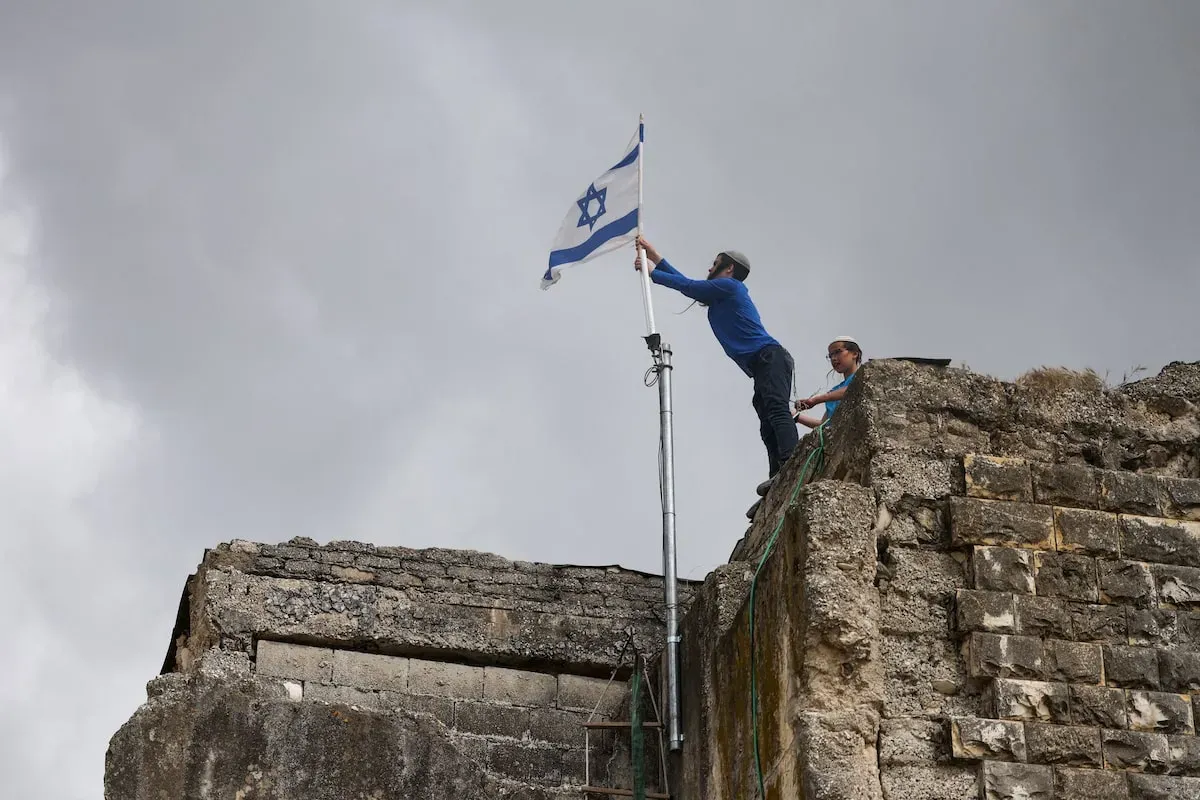
Hamas considers normalization to deepen crises rather than solve them, as the Zionist enemy fuels divisions among nations to infiltrate them.