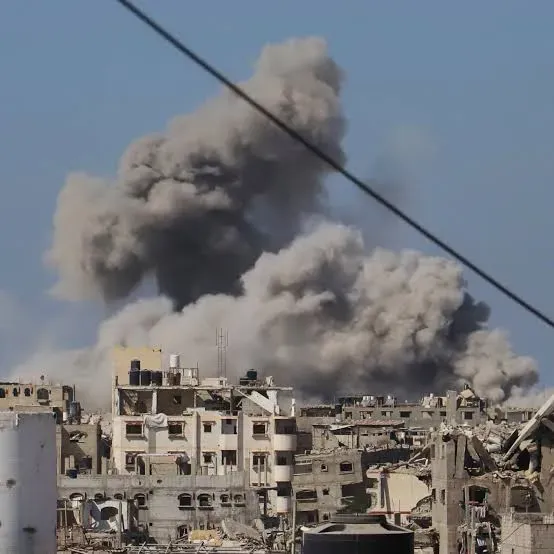

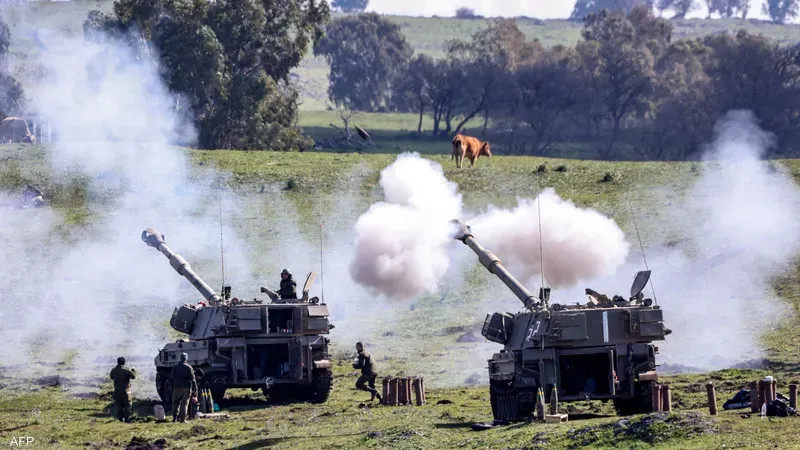
Scattered areas of the Gaza Strip witnessed an Israeli military escalation on Monday morning, consisting of intense artillery shelling and gunfire from military vehicles, alongside strikes carried out by drones that targeted a number of residential neighbourhoods and open areas in the north, south and centre of the Strip.
Field sources said occupation artillery shelled the eastern and western areas of Khan Younis in the southern Strip, in conjunction with heavy gunfire from military vehicles stationed around the city, triggering fear and panic among residents.
In the central governorate, Israeli artillery targeted the eastern neighbourhoods of Deir al-Balah, with the sound of violent explosions heard as shells landed, while the shelling extended to scattered areas in Gaza City and the northern Strip.
The al-Tuffah neighbourhood east of Gaza City also saw intensive overflight and activity by Israeli drones, which opened fire towards residents' homes and the surrounding land, amid continued military attacks on various areas of the Strip.
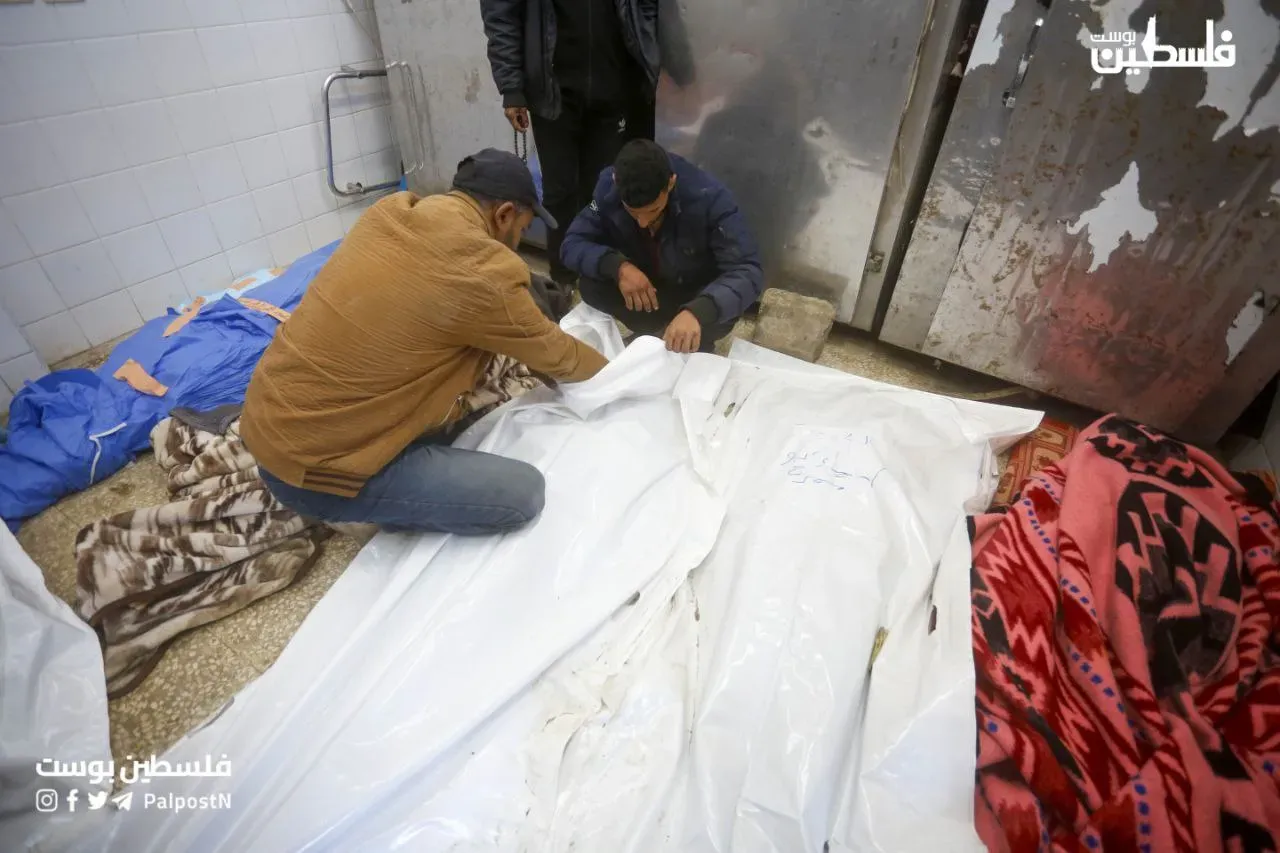
In humanitarian developments, the General Directorate of Civil Defence in the Gaza Strip announced that its crews had recovered the bodies and remains of 70 martyrs from under the rubble of destroyed homes in the Beit Lahia project area and western Jabalia in the northern Strip.
Sources in the Civil Defence explained that the recovery operations followed the targeting of about 20 residential homes, noting that around 160 bodies remain missing under the rubble, amid major difficulties facing the crews during search and rescue operations due to limited capabilities and available equipment.
According to the sources, the latest recovery operations took about 231 hours of continuous work, with the participation of excavation machinery and transport trucks of limited capability, in an attempt to reach the victims and recover them from under the rubble.
During the funeral ceremonies for the martyrs, the directorate affirmed that these efforts come within a project dedicated to recovering victims, funded by the International Committee of the Red Cross, and constitute an extension of previous efforts and projects carried out in the Gaza and Central governorates to deal with the repercussions of the widespread destruction left by Israeli shelling.
Internationally, Britain, Australia, Canada and Italy demanded that the Israeli occupation authorities immediately open the crossings and allow humanitarian and relief aid into the Gaza Strip, warning of the accelerating deterioration of living conditions, especially with the onset of winter.
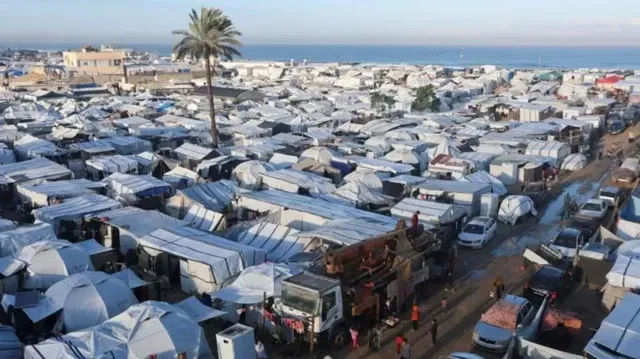
In a joint statement, the foreign ministers of the four countries warned of the worsening humanitarian crisis in the Strip, affirming that floods caused by the first winter storms have increased the suffering of hundreds of thousands of displaced people living in harsh conditions and lacking adequate shelter.
The statement noted that the continued closure of the crossings and restrictions imposed on the entry of aid prevent basic supplies from reaching the population, at a time when humanitarian needs are urgently increasing.
The ministers revealed that about 150,000 tents, along with relief supplies and other basic materials, remain stuck at the border as a result of the occupation authorities preventing their entry into the Strip.
The four countries stressed the need for urgent action to facilitate the delivery of humanitarian, medical and food aid and to provide shelter supplies for the displaced, warning that continued restrictions on the entry of supplies will intensify the humanitarian catastrophe, particularly under harsh winter weather conditions.